U4GM Explores the Trading Challenges of MapleStory Classic World
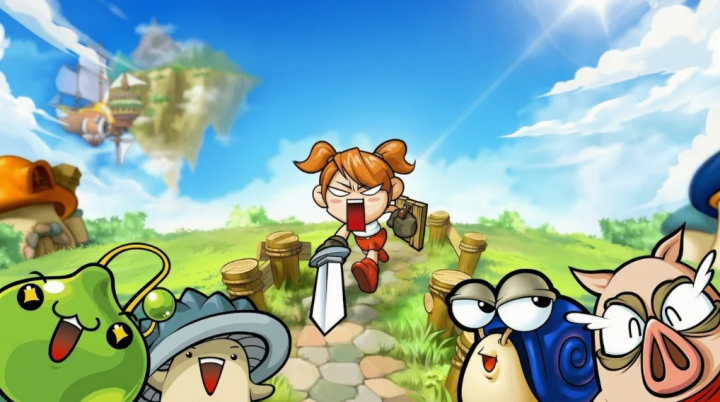
The economy in MapleStory Classic World has a personality of its own. MapleStory Classic World Mesos connect monster hunting, equipment development, crafting, and player interactions, giving even routine activities an economic purpose. A character might spend an afternoon collecting materials, visit several shops to compare equipment, and eventually discover that an item kept in the inventory for days is exactly what another player needs. These small encounters make the market feel like an extension of the adventure rather than a separate system that exists only for shopping.
Why Market Knowledge Takes Time to Develop
New players often approach the market with a simple question: How much does this item cost? Experienced traders usually ask several additional questions. Is the item useful to multiple classes? Does it have desirable attributes? Is its availability limited? Will its usefulness remain relevant as characters advance?
These questions explain why two seemingly similar pieces of equipment can attract different levels of interest.
A weapon's value, for instance, depends on more than its basic attack power. Its requirements, compatibility with a character's build, and the availability of alternatives all influence its practical appeal.
The same applies to armor and accessories. An item that solves a particular weakness may be more useful than a slightly stronger alternative that requires a major change to the character's equipment setup.
Developing market awareness is therefore a gradual process. Players learn by observing listings, comparing attributes, and noticing which items other adventurers repeatedly seek.
The Difference Between Asking Prices and Real Value
One of the most important lessons for anyone entering a player-driven economy is that a displayed price does not automatically represent an item's actual value.
A seller can request almost any amount, but buyers still decide whether an offer makes sense. This difference becomes particularly noticeable with uncommon equipment, scrolls, and materials that have specialized uses.
Consider three possible situations:
• An item has several similar listings, giving buyers plenty of alternatives.
• An item appears less frequently, but its attributes are only moderately useful.
• An item has limited availability and provides a practical advantage to a particular character build.
Each situation creates a different pricing environment. Scarcity can increase interest, but it does not guarantee that buyers will accept an unusually high price.
Players should compare similar items, examine their attributes, and consider the amount of time required to obtain them through normal gameplay. Recent completed transactions, when reliable information is available, are generally more informative than ambitious asking prices.
How Different Classes Influence Demand
Character development has a direct relationship with market activity. The four advancing base classes have different equipment requirements and combat priorities, which creates several overlapping groups of buyers.
Warriors
Warriors generally value equipment that supports close-range combat and their chosen defensive or offensive approach. Weapon upgrades can be particularly noticeable when they improve the consistency of ordinary hunting.
Magicians
Magicians must consider both offensive development and MP management. Their equipment choices can influence how comfortably they maintain their skills during extended training sessions.
Bowmen
Bowmen depend on equipment that supports their ranged combat style. Their preferred hunting environments and equipment requirements can differ considerably from those of melee characters.
Thieves
Thieves have their own weapon requirements and combat patterns. Their equipment choices should reflect the specific second-job path and the way the character handles enemies.
These differences explain why an item that is unremarkable to one player may be worth pursuing for someone following another class progression route. Understanding class requirements helps sellers identify potential buyers and helps shoppers avoid purchases that do not support their actual build.
Crafting Materials Have Their Own Economic Story
Not every valuable market item is a finished piece of equipment. Materials collected during monster hunting can become important when players begin working toward crafting goals.
The challenge is deciding what deserves inventory space. Keeping every ingredient may feel sensible at first, but excessive collection can make ordinary hunting inconvenient. Selling everything immediately creates the opposite problem: a player might later need to obtain the same materials again.
A more balanced method is to organize resources according to their purpose.
| Resource category | Possible use | Practical consideration |
|---|---|---|
| Crafting materials | Supporting available recipes | Keep ingredients tied to realistic equipment goals |
| Equipment drops | Personal upgrades or player trading | Compare attributes and class requirements |
| Scrolls | Equipment enhancement | Understand the relevant upgrade risks |
| Unwanted drops | NPC shop sales | Clear inventory without sacrificing useful items |
This kind of organization makes the connection between hunting and crafting easier to understand. It also helps players recognize when collecting a particular resource is more useful than immediately exchanging it for currency.
Trading Safely in a Changing Game Economy
Classic World preserves the social character of old-school MapleStory trading, but players still need to understand the rules governing transactions.
The Free Market is the central location for ordinary player commerce. It allows adventurers to browse shops, negotiate, and exchange equipment or other permitted items. However, its existence should not be confused with permission to purchase currency through external real-money arrangements.
The current game rules address prohibited currency trading through account restrictions and the Debt System. Players should take these policies seriously, especially when dealing with unfamiliar sellers or offers that require account access.
Before making any transaction, it is worth checking:
• Whether the proposed exchange follows the official game rules.
• Whether the items and quantities match the agreed arrangement.
• Whether the other player is asking for unnecessary account information.
• Whether the offer relies on suspicious payment or delivery arrangements.
• Whether the purchase could place existing character progress at risk.
U4GM is one storefront that may appear during searches for game-related services, but players should independently verify its relevance and the game's current restrictions rather than treating an external listing as proof that a transaction is permitted.
Building an Economy Strategy That Supports Progression
A strong economic routine should not make the game feel like a second job. The purpose of understanding market activity is to make character development more comfortable, not to spend every session calculating the value of every item.
A player can begin with a few straightforward habits: prepare enough potions before hunting, choose maps that match the character's combat strengths, keep useful crafting materials, and review equipment requirements before purchasing upgrades.
Over time, these decisions create a clearer picture of how resources move through the community. Players become better at recognizing useful drops, identifying suitable equipment, and avoiding purchases that offer little practical benefit.
For anyone researching MS Classic World Mesos, understanding the distinction between legitimate in-game trading and prohibited external currency transactions is essential. A well-developed character is built through more than the size of an inventory balance; knowledge of the game's economy, sensible resource management, and careful progression choices all contribute to a more rewarding adventure.