Fuxinvalve Latching Solenoid Valve Innovations for Compact Fluid Systems
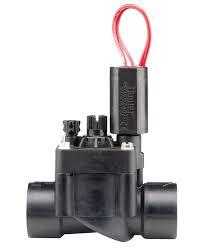
In compact dosing lines, a Latching Solenoid Valve from fuxinvalve can provide precise switching without requiring continuous power, and that makes the Latching Solenoid Valve concept especially attractive for battery-supported equipment, remote installations, and systems that must stay efficient over long operating cycles.
How Pulse-Driven Switching Works
The core idea behind this technology is simple: a short electrical pulse moves the internal mechanism into position, and the component remains there until another pulse changes it. That means the system does not need a constant current to preserve its state, which helps reduce electrical load and heat buildup. For applications that cycle frequently but do not require permanent energization, this behavior is a practical advantage.
Engineers often choose this approach when they want stable operation with lower power demand. In many projects, the control logic is just as important as the mechanical body, because the switching pattern must fit the broader automation sequence. A short pulse, when timed correctly, can support accurate flow control, safer system startup, and reliable shutdown behavior.
This operating style is also useful in locations where electrical access is limited. Solar-powered units, portable devices, and field systems can all benefit from a design that holds position after actuation. The result is not only better energy use, but also a simpler approach to long-term operation.
Why Energy Savings Matter
Energy efficiency has become a major design priority across industrial and commercial systems. A component that does not need constant power is easier to integrate into low-voltage projects and can reduce strain on batteries or backup supplies. Over time, that can translate into lower maintenance costs and fewer service interruptions.
Heat management is another important benefit. Continuous electrical current often generates unnecessary warmth, and that heat can affect nearby electronics, seals, or plastic components. By limiting power to short switching moments, the system can operate more cleanly and with less thermal stress. In demanding environments, that difference can help preserve overall reliability.
For facilities that run around the clock, small savings add up quickly. A design that uses power only during transitions supports better resource planning and can make large installations more efficient. That is why many engineers view this kind of component as a long-term investment rather than a simple hardware purchase.
Material Choices That Support Longevity
Long service life depends on more than clever switching. The housing, internal seals, electrical insulation, and moving parts all need to work together under repeated cycles. If any one material is weak, the system can lose accuracy, develop leakage, or become less responsive over time.
Corrosion resistance is especially important in moist or chemically active environments. Water exposure, cleaning agents, and temperature changes can all shorten the life of poorly protected parts. Strong materials help preserve both the mechanical fit and the electrical performance, which is essential when a unit must continue operating after thousands of activations.
Manufacturing precision also matters. Even a small deviation in the internal fit can affect how reliably the component returns to its intended state. That is why buyers often look beyond the surface and evaluate how well a design is built for repeated use, environmental stress, and long-term consistency.
Installation Planning for Real Projects
Practical installation is a major reason engineers favor compact switching components. A product that fits standard layouts and requires minimal modification can save time during both new builds and retrofits. When the installation is straightforward, it is easier for contractors to complete work on schedule and for maintenance teams to service the unit later.
System compatibility is another important point. Different applications may require different pressure ranges, duty cycles, or electrical setups. A well-chosen component should integrate smoothly without forcing major redesigns of the surrounding equipment. That flexibility is especially valuable in projects where space is tight and every connection matters.
Accessibility should not be overlooked either. A device that can be inspected, tested, and replaced without taking apart the entire system will always be easier to maintain. In busy facilities, that kind of simplicity can reduce downtime and improve operational confidence.
What Buyers Expect From Modern Automation
Today's buyers usually want more than basic switching. They want dependable operation, manageable power use, and construction that can stand up to real-world conditions. They also want equipment that is easy to explain, easy to install, and easy to keep running. Those expectations have pushed many product teams to focus on durability and efficiency at the same time.In the long run, the best components are the ones that fit naturally into a wider control strategy. They should help the system run quietly, preserve resources, and avoid unnecessary complexity. For product details and related options, visit https://www.fuxinvalve.com/product .