U4gm Hero Siege Loot Filters for Early Hell Progression
Posted by Arlind Dukagjini
Filed in Arts & Culture 33 views
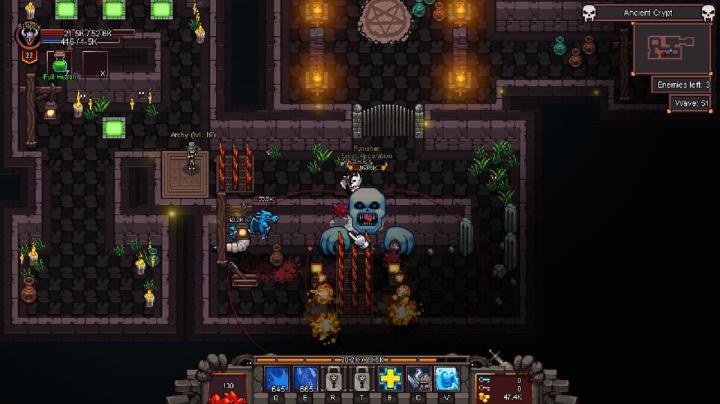
As Season 10 pushes characters toward Hell difficulty, a sensible loot filter becomes just as important as stronger skills and better equipment. Players who plan their next upgrades around Hero Siege Gold should also make sure their filter highlights useful drops instead of burying them under piles of common gear.
The aim is not to hide everything except the rarest items. A good setup keeps possible upgrades visible while removing low-value clutter, allowing each run to feel faster without sacrificing important progression opportunities.
Build a Filter Around Your Current Character
Begin by showing all equipment types that your class can use, including weapons, shields, helmets, armor, gloves, boots, and accessories. During the first stages of progression, item level and basic statistics matter more than perfect rarity, so avoid setting the filter too strictly. A blue weapon with high base damage may outperform an attractive but weak legendary item.
For early Hell runs, prioritize health, resistance, movement speed, and the main damage statistic used by your build. A caster may value mana support and spell damage, while a melee character should watch for attack speed, armor, life, and reliable damage bonuses. Keep items with several relevant attributes visible, even when their color is not impressive.
Separate Real Upgrades from Vendor Clutter
Once your character has dependable equipment in every slot, begin hiding ordinary items with poor statistics. A practical rule is to display gear only when it has at least two useful attributes, a strong item level, or an unusual combination that could support another build. Rings and amulets deserve special attention because their bonuses can remain valuable long after basic armor has been replaced.
Do not remove every low-rarity item immediately. Early progression gear with resistance, life, or a large damage increase can solve a weakness more effectively than a higher-rarity piece with unsuitable bonuses. Review new equipment by comparing it with what you wear, not by judging its color alone.
Keep Runes and Special Drops Visible
Runes should remain visible even when the rest of the filter becomes demanding. Useful runes can improve a weapon, complete a planned combination, or provide valuable trading material for future upgrades. If storage becomes crowded, display only runes above the quality level needed by your build, but make that change gradually.
Also preserve quest-related objects, crafting materials, set pieces, and class-specific equipment. A filter that removes these categories may save a few seconds per map while costing far more time later. Distinct sounds and text colors make these drops easier to identify during busy battles.
Increase Strictness as Progress Improves
After several successful Hell runs, compare the items you actually keep with those you leave behind. Use that pattern to refine the filter. Hide common weapons with weak base values, ordinary armor lacking resistance or life, and accessories that do not offer meaningful combinations.
Keep one flexible profile for dangerous areas and another strict profile for routine farming. The flexible version is useful when testing a new build, while the strict version keeps familiar routes clear. Revisit both profiles whenever you change skills, equipment, or your main damage source.
A well-tuned filter should make decisions easier, not remove them completely. By protecting runes, worthwhile early upgrades, strong accessories, and high-rarity equipment, you can enter Hell with a cleaner screen and a better chance of noticing meaningful improvements, especially when using cheap Hero Siege Gold for planned progression purchases.