U4GM Explores Dual-Type Pokémon in Pocket Battles
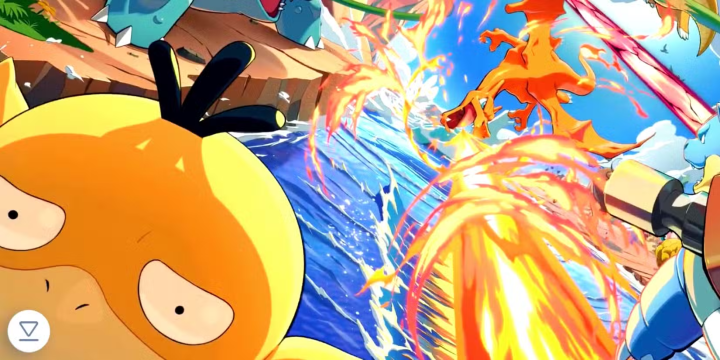
The arrival of Dual Fusion has given Pokémon TCG Pocket players a fresh reason to rethink their favorite decks. The expansion introduces the game's first dual-type Pokémon, including Mega Mewtwo X ex and Mega Greninja ex, creating new possibilities for matchups, energy planning, and card combinations. Players interested in expanding their collections through Pokemon TCG Pocket Top Up should also pay attention to how these new additions fit into the wider card pool. A powerful card can certainly attract attention, but understanding its role in an actual battle is what separates a promising deck from one that consistently delivers results.
Dual Fusion Introduces a Different Way to Think About Pokémon Types
For a long time, type identity has been one of the most recognizable foundations of Pokémon TCG Pocket deck construction. Players generally choose a central Pokémon type, identify supporting cards, and build a strategy around the strengths and weaknesses of that combination. Dual Fusion introduces another layer to this familiar process.
The expansion features two particularly interesting dual-type Pokémon. Mega Mewtwo X ex combines Psychic and Fighting types, while Mega Greninja ex brings together Water and Darkness. Their arrival creates opportunities to explore interactions that previously required considerably more careful deck planning.
The biggest attraction is not simply that these Pokémon have two types printed on their cards. Their presence encourages players to reconsider how they evaluate matchups. A deck built around a dual-type attacker may offer more interesting strategic possibilities, especially when opponents are accustomed to preparing for conventional single-type threats.
However, dual-type cards should not automatically be treated as universal solutions. A deck still needs a reliable way to establish its main attacker, maintain a sensible energy plan, and survive long enough to execute its strategy. Additional flexibility is useful only when the rest of the deck can support it.
Mega Mewtwo X ex and Mega Greninja ex Offer Two Different Strategic Directions
Although both featured Pokémon belong to the same expansion, their type combinations suggest very different approaches to deck construction.
Mega Mewtwo X ex combines Psychic and Fighting identities, making it an interesting option for players who enjoy experimenting with offensive pressure and flexible matchup planning. Mega Greninja ex, meanwhile, combines Water and Darkness, giving collectors and competitive players another hybrid option to investigate.
| Card | Type Combination | Strategic Interest |
|---|---|---|
| Mega Mewtwo X ex | Psychic / Fighting | Hybrid offensive planning and matchup flexibility |
| Mega Greninja ex | Water / Darkness | Alternative attacker combinations and deck experimentation |
These combinations also make the early Dual Fusion environment particularly interesting. Players are still discovering which supporting cards work best, which existing strategies can adapt, and which combinations look attractive on paper but struggle when facing actual opponents.
A useful approach is to test each new attacker in a focused deck rather than immediately combining every interesting card into one list. Too many competing ideas can make a deck inconsistent. A carefully selected supporting lineup usually provides a better starting point for understanding what a new Pokémon can accomplish.
How to Build Around a New Dual-Type Attacker
A successful deck begins with a clear battle plan. Before adding a powerful new Pokémon, decide what you want it to accomplish and how you intend to reach that point.
Consider the following construction priorities:
| Deck Element | What to Consider | Common Mistake |
|---|---|---|
| Main attacker | Identify the Pokémon responsible for most of your offensive pressure | Choosing multiple attackers without a clear priority |
| Supporting Pokémon | Select cards that help establish or protect the main strategy | Filling every available space with unrelated favorites |
| Energy planning | Check whether the intended energy setup supports your attackers | Assuming a dual-type card automatically makes every energy combination convenient |
| Trainer cards | Include useful consistency and disruption options | Ignoring utility cards in favor of extra attackers |
| Backup strategy | Prepare for situations where the main attacker is delayed or defeated | Depending entirely on one Pokémon |
The energy question deserves particular attention. Players sometimes see two types on a card and immediately assume that deck construction becomes easier. In practice, energy requirements and the overall structure of the deck still matter. A theoretically flexible attacker can become awkward if the rest of the strategy requires too many different resources.
Testing is therefore essential. Play several matches against different archetypes, record where the deck struggles, and make small adjustments rather than replacing half the list after every defeat.
The Dual Fusion Emblem Event Makes November a Good Time to Test New Decks
The November event schedule gives players an immediate reason to take their experimental builds into battle. The Dual Fusion Emblem Event runs from November 5 through November 15, 2026, and rewards players with emblems based on their victories against other players. Battle Rally Missions run alongside the event, offering additional rewards such as Pack Hourglasses and Shinedust.
This combination makes the event more than a simple collection activity. Players have an incentive to participate in PvP matches while working toward useful progression rewards.
A sensible event strategy is to divide battles into two categories.
First, use experimental matches to learn. Try different combinations of new cards and observe how frequently your main attacker becomes available. Pay attention to difficult matchups rather than judging a deck entirely by its first few victories.
Second, use a more consistent deck when pursuing wins. Once you understand which combinations perform reliably, switch to a refined version for longer winning streaks. There is no reason to keep testing an unfinished strategy when the immediate objective is earning event emblems.
This balance between experimentation and consistency makes the event more enjoyable. Losing a match with a new deck can still provide useful information, while winning with a refined build demonstrates that the earlier adjustments were worthwhile.
Rental Decks Are an Easy Way to Explore the New Expansion
Another useful addition is the availability of six Dual Fusion rental decks. These temporary decks are available from the expansion's release through December 15, 2026, at 5:59 p.m. PST.
Rental decks are especially valuable for players who want to understand the new cards before committing their own collection resources. Instead of guessing how an unfamiliar attacker works, players can enter battle with a prepared deck and observe its strengths and weaknesses directly.
There are several ways to make these decks more useful:
• Play multiple matches with the same rental deck before judging its performance.
• Pay attention to the opening hand and how quickly the main attacker becomes available.
• Notice which supporting cards consistently contribute to successful turns.
• Compare the performance of different rental decks against similar opponents.
• Use what you learn when modifying your personal decks.
One match rarely tells the whole story. A deck that loses because of an unfavorable opening hand might still have a strong overall structure. Repeated testing helps distinguish genuine weaknesses from ordinary card-game randomness.
Collection Management Matters More During a Major Expansion
New expansions often create a familiar dilemma: should players concentrate on completing the newest collection, or should they focus on obtaining cards that improve their existing decks?
There is no single answer. Collectors may prefer completing themed sets and discovering alternate illustrations, while competitive players usually prioritize cards that provide immediate strategic value.
A practical collection plan can combine both goals.
| Priority | Recommended Approach |
|---|---|
| New expansion cards | Identify the featured Pokémon and supporting cards worth pursuing |
| Missing deck pieces | Focus on cards that complete an unfinished strategy |
| Promotional cards | Watch limited-time missions and event rewards |
| Older collections | Return to previous packs when missing cards have specific uses |
| Rare illustrations | Treat special artwork as a separate collecting goal |
The Second Anniversary Celebration Campaign, running from October 29 through December 14, 2026, also adds another reason to check the game's Gifts and mission pages. Players receive a ticket exchangeable for a booster pack guaranteed to include a two-star card.
That reward is particularly interesting because it connects anniversary celebrations with collection progression. Rather than treating every card acquisition as an isolated event, players can coordinate their pack openings, missions, and deck-building goals.
Small Testing Habits Can Make a Big Difference
One of the most overlooked parts of competitive card games is keeping track of why a deck wins or loses. Players often remember impressive victories but forget the small decisions that caused an otherwise promising match to fall apart.
Try paying attention to three details after every battle.
First, check whether your opening setup allowed you to establish the intended strategy. If the main attacker repeatedly appears too late, the problem may involve the deck's structure rather than the attacker's power.
Second, examine how often your supporting cards become useful. A card that looks excellent in theory may spend too many matches sitting unused in your hand.
Third, consider how your opponent's strategy influenced your decisions. A deck that performs well against aggressive opponents might need adjustments when facing slower, defensive builds.
These observations gradually turn random experimentation into meaningful improvement. They also make the arrival of a new expansion more interesting because every match becomes an opportunity to discover something about the changing environment.
Looking Ahead to the Next Stage of Pokémon TCG Pocket
Dual Fusion is an important development because it changes how players approach card combinations without removing the familiar appeal of collecting and battling. Mega Mewtwo X ex and Mega Greninja ex provide two distinct directions for experimentation, while rental decks and anniversary missions offer several ways to explore the new content.
The November event schedule should also keep the game active beyond the initial excitement surrounding the expansion. With the upcoming Bonus Week, promotional card activities, and Ranked Match Season C1 scheduled for later in the month, players have plenty of reasons to keep improving their collections and testing their strategies.
Ultimately, a strong collection is most valuable when its cards have a purpose. New releases are exciting, but discovering an unexpected combination, winning a difficult matchup, or finally getting a complicated deck to work can be just as rewarding. Players who enjoy experimenting with different strategies and collecting distinctive Pokemon TCG Pocket Cards will find that Dual Fusion offers plenty of new possibilities to explore.