Helldivers 2 by U4GM – Adjusting Your Strategy for Every Mission
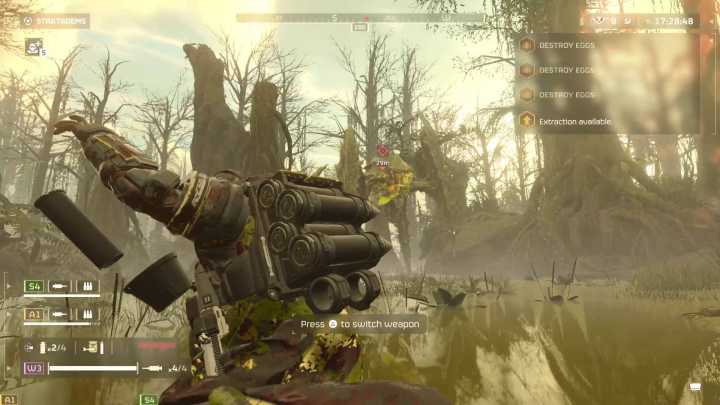
Armor in Helldivers 2 does more than determine how much damage a Helldiver can withstand. Its passive ability can influence movement, survivability, and the way a player handles dangerous encounters. A useful equipment setup should account for these differences, just as players consider Helldivers 2 Super Credits and other resources when planning their progression. Choosing armor based only on appearance or armor rating can overlook advantages that become important during difficult missions.
Armor Rating Is Only Part of the Decision
Helldivers 2 armor generally comes in three weight categories: light, medium, and heavy. Each offers a different balance between protection and mobility. Light armor supports faster movement and stamina recovery, making it useful when a mission involves long distances, frequent repositioning, or a need to avoid extended fights. Heavy armor provides greater protection but comes with movement and stamina trade-offs that can affect how quickly a player responds to changing threats.
Medium armor sits between these extremes. It offers a more balanced option for players who want reasonable protection without giving up as much mobility. None of the three categories is automatically the best choice. The right option depends on the mission, enemy pressure, and personal combat habits.
A player who frequently moves between objectives may benefit more from mobility than from additional protection. Someone holding a defensive position, however, may find heavier armor more practical. The important point is to consider how armor affects the entire mission rather than judging it by one statistic.
Armor Passives Can Define a Playstyle
Armor passives provide additional effects that can change how a Helldiver approaches combat. Some focus on reducing the impact of specific threats, while others improve handling or provide advantages in particular situations. These effects can be especially useful when they complement a player's preferred weapons and Stratagems.
For example, explosive resistance can be valuable when facing enemies or battlefield situations that involve frequent explosions. It does not make a player immune to explosive damage, but it can provide an additional layer of protection. Servo-assisted armor offers a different benefit by improving throwing range and limb health, which can support players who frequently deploy Stratagems from a distance.
Engineering Kit armor is another option for players who make regular use of grenades. Its passive increases the number of grenades carried and reduces recoil while crouching or prone. This combination can support a more deliberate approach to combat, particularly when firing from a stable position or dealing with enemies from cover.
The table below outlines several passive effects and the situations in which they may be useful.
| Armor passive | Main benefit | Potential use |
|---|---|---|
| Democracy Protects | Chance to survive lethal damage and resistance to limb loss | Encounters involving heavy incoming damage |
| Engineering Kit | Additional grenades and reduced recoil while crouching or prone | Grenade-focused combat and controlled firing |
| Servo-Assisted | Increased throwing range and limb health | Deploying Stratagems from safer positions |
| Fortified | Explosive damage resistance and reduced recoil while crouching or prone | Fighting enemies that use explosive attacks |
| Med-Kit | Additional stims and longer stim effects | Sustained combat and difficult encounters |
These benefits are most effective when they match the demands of the operation. A grenade-focused passive may offer little advantage to someone who rarely uses grenades, while additional stim capacity can be valuable for players who often remain in prolonged fights.
Match Armor to the Enemy Faction
Enemy behavior should influence armor selection. Automaton encounters frequently involve ranged attacks, explosive damage, and situations where players need to use cover. Armor with explosive resistance can help in these situations, while reduced recoil may support accurate firing from a crouched or prone position.
Terminid missions often involve enemies closing the distance quickly. Mobility can become particularly important when a squad needs to escape a swarm, reposition around larger creatures, or move between objectives without spending too much time fighting every group. Light armor can help players maintain distance, although it offers less protection when an enemy manages to reach them.
This does not mean that one armor passive should be permanently assigned to one faction. Mission modifiers, terrain, and the rest of the squad's equipment can change the value of a particular effect. A player who prefers heavy armor may still use it effectively against Terminids by choosing suitable weapons and maintaining enough space to avoid being surrounded.
Consider the Full Equipment Combination
Armor should work alongside weapons, grenades, and Stratagems rather than being selected independently. A player carrying a weapon with substantial recoil may appreciate armor that helps control firing while crouched or prone. Someone who relies on throwing offensive Stratagems from outside an enemy position may benefit from increased throwing range.
Grenade capacity also affects how a player manages encounters. Having additional grenades creates more opportunities to destroy targets or control enemy groups, but those resources still need to be used carefully. Throwing grenades at every minor threat can leave the player without an answer when a stronger enemy appears.
Stims deserve similar consideration. Additional stim capacity can improve endurance during difficult missions, but healing at the wrong moment can still leave a player exposed. Armor passives provide useful advantages, yet positioning and timing remain central to survival.
Why Armor Choices Should Change Between Missions
A familiar armor set can become comfortable enough that players stop considering alternatives. That habit can make preparation less effective, especially when the next operation has different objectives or enemy threats. Switching armor does not require rebuilding an entire loadout. Sometimes changing one passive or moving from heavy to light armor is enough to make the equipment more suitable.
Players should also consider whether the armor's advantages are actually being used. If a passive rarely affects the way a mission is played, another option may provide more practical value. Testing different combinations across several operations is a better way to judge their usefulness than relying on appearance or assumptions.
The strongest armor choice is the one that supports the job without creating unnecessary disadvantages. Players looking to expand their equipment options can compare cheap Helldivers 2 Items while considering which armor combinations best fit their preferred combat style.