U4GM Aion 2 Makes Equipment Planning Part of the Adventure
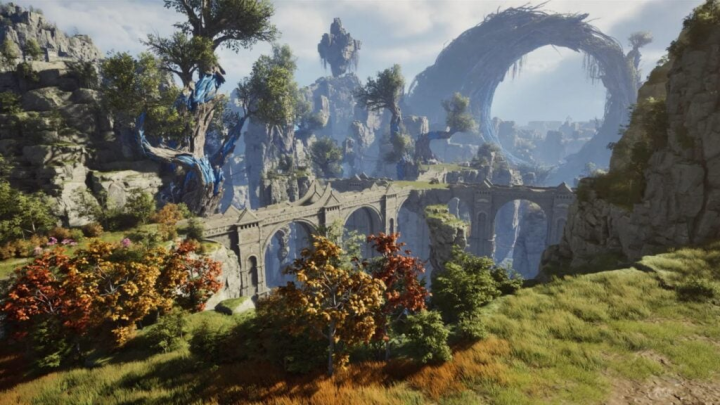
Equipment progression is one of the most important parts of developing a character in Aion 2, but collecting stronger gear is only one part of the process. Players also need to understand their class, prepare for different encounters, and decide how to use the resources available to them. Aion 2 Kinah plays a role in these wider progression decisions, making it useful to think about equipment as part of a long-term plan rather than a collection of unrelated upgrades. When every improvement has a purpose, character development becomes easier to manage and more rewarding.
Understand What Makes an Item Useful
The value of equipment depends on how well it supports a character's role. A weapon with impressive statistics may still be a poor choice if its benefits do not match the way the class deals damage. Armor can improve survivability, but the right balance depends on the challenges a player regularly faces. Accessories add another layer of customization, allowing players to refine a build rather than relying entirely on their main equipment.
Class differences make this especially important. Gladiators and Templars operate on the frontline, although their responsibilities are not identical. Rangers and Assassins approach combat through different positioning and attack opportunities. Sorcerers and Spiritmasters rely on magical abilities, while Clerics and Chanters need to consider how their equipment supports both personal performance and group contribution.
A useful way to evaluate an item is to consider its contribution in three areas:
• Immediate performance: Does it improve damage, defense, or another important part of the current build?
• Activity compatibility: Is it suitable for the dungeons, PvP encounters, or group content the character regularly enters?
• Long-term usefulness: Is it likely to remain relevant, or will it soon be replaced by another upgrade?
An item that performs well in all three areas is generally easier to justify than one that offers only a small short-term improvement.
Choose Upgrades According to Your Current Progress
Character development does not follow exactly the same path for every player. Someone still establishing a dependable equipment set may benefit from filling weak slots first. A more developed character may need to focus on improving specific statistics or preparing for more difficult encounters.
This means the best upgrade is not always the rarest or most expensive option. If a character has one noticeably weak equipment slot, addressing that weakness can produce a more balanced result than making a minor improvement to an already strong piece. Similarly, a player who frequently fails to survive boss mechanics may benefit more from reviewing defensive equipment and combat habits than from investing in another offensive upgrade.
The following table offers a practical way to organize priorities:
| Character situation | Suggested priority | Expected benefit |
|---|---|---|
| Uneven equipment quality | Improve the weakest important slot | Creates a more balanced build |
| Low damage during encounters | Review weapon and offensive statistics | Supports more consistent damage |
| Frequent defeats | Examine armor and defensive weaknesses | Improves the ability to withstand pressure |
| Preparing for group dungeons | Match equipment to the assigned role | Makes group responsibilities easier |
| Switching between activities | Review build compatibility | Helps avoid using an unsuitable setup |
These priorities are flexible. Players should adjust them according to their class and the content they want to complete next.
Prepare Before Entering Difficult Dungeons
Dungeons are not simply places to collect rewards. They also test whether a character is prepared to handle different combat situations. Bosses may require players to recognize attack patterns, move away from dangerous areas, coordinate with teammates, and maintain pressure during limited damage opportunities.
Equipment preparation should begin before the group enters the encounter. Check whether the weapon and armor support the intended role, confirm that important consumables are available, and consider whether the current build has any obvious weaknesses. A damage-focused character should be ready to maintain consistent attacks without ignoring survival, while defensive and support classes need to understand their responsibilities within the group.
Once the encounter begins, equipment is only one part of success. Recognizing mechanics and responding at the right moment can be just as important. A player who understands when to reposition or save an ability may contribute more than someone who has a slightly higher equipment rating but repeatedly makes avoidable mistakes.
After the run, evaluate both the rewards and the performance. If the group struggled, identify whether the issue involved equipment, encounter knowledge, or coordination. This makes the next attempt more productive and prevents players from spending resources without understanding what needs to improve.
Keep Enhancement Decisions Under Control
Enhancement can turn useful equipment into a stronger part of a character's build, but it also creates decisions about resource allocation. Materials used on one item cannot be used elsewhere, so players should establish priorities before beginning a series of upgrades.
Start with equipment that has a clear role in the current build and is likely to remain useful. Weapons and important armor pieces may deserve attention when they directly affect performance. Temporary equipment, on the other hand, may not justify a large investment if a better replacement is already within reach.
A simple planning method can make enhancement more manageable:
1. Identify the equipment slot that needs the most attention.
2. Compare the available replacement options.
3. Check the materials required for the planned improvement.
4. Estimate how long the item is likely to remain useful.
5. Complete the upgrade only when the benefit justifies the investment.
This approach encourages patience without preventing steady progression. Players can still make smaller improvements when necessary, but they will have a clearer idea of which upgrades deserve the most attention.
Make Better Use of Rewards and Materials
Different activities can provide different types of rewards, so collecting items should be connected to a specific goal. A dungeon run may produce equipment worth comparing, while other activities may contribute materials or resources that support future improvements. Knowing what is useful before starting an activity makes the resulting rewards easier to evaluate.
Inventory organization is also important. Separate equipment that can immediately improve the character from items that may be useful for another build. Keep enhancement materials easy to identify, and avoid holding large amounts of equipment without a clear reason.
Players can also review their inventory after completing several activities rather than stopping after every reward. This creates a more natural gameplay rhythm while still ensuring that valuable items are not overlooked. Over time, familiarity with class requirements makes the sorting process faster.
Consider PvP and Group Content Separately
Aion 2 offers different combat environments, and equipment that performs well in one activity may not be equally effective in another. PvE encounters often emphasize sustained performance, boss mechanics, and cooperation. PvP introduces opponents who can change their tactics quickly, making positioning, survival, and response timing important.
Large-scale battles can create additional demands because players need to understand their role within a wider group. A character that focuses entirely on personal damage may not always contribute as effectively as one that can remain active, respond to threats, and support the team's overall objective.
For this reason, equipment decisions should reflect the activities a player actually enjoys. There is no need to pursue every possible build variation. Instead, focus on the content that matters most and make adjustments when a particular activity reveals a weakness.
Avoid Common Equipment Mistakes
Several habits can make progression less efficient. Replacing equipment without comparing its statistics is one example. Another is enhancing every new item immediately, even when it is likely to be temporary. Players may also overlook defensive weaknesses because offensive improvements are easier to notice.
A better approach is to pause before making each important decision. Check whether the item supports the class, whether it improves a real weakness, and whether the required investment is reasonable. If the answer is unclear, keeping existing equipment until a more suitable option appears may be the smarter choice.
Make Equipment Part of a Clear Progression Plan
The strongest equipment strategy is one that connects everyday activities with a larger character goal. Players can identify a priority upgrade, choose suitable content, collect rewards, and review improvements after each session. This creates steady progress without requiring every available resource to be spent immediately.
When evaluating Aion 2 Items for sale, consider how each option fits the character's class, current equipment, and intended activities. The right choice should solve a practical need rather than simply add another item to the inventory. With careful comparisons, sensible enhancement priorities, and consistent preparation, equipment becomes a meaningful part of the journey instead of an endless list of upgrades.