U4GM Helldivers 2 Makes Every Extraction a Final Test
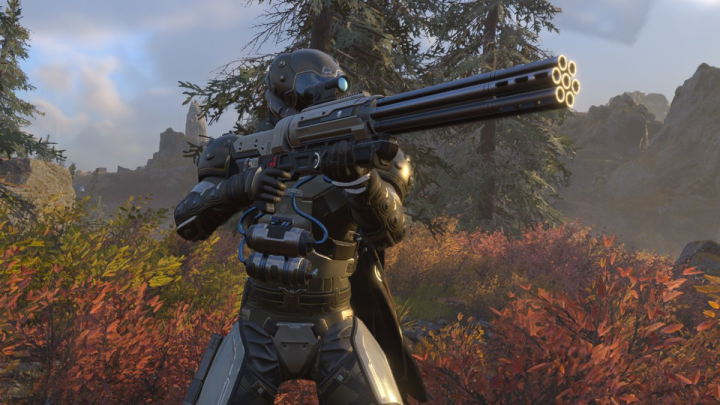
The extraction shuttle is not always the easiest part of a Helldivers 2 mission. After completing an objective, a squad may discover that ammunition is running low, reinforcements are limited, and the route to the extraction zone is crowded with enemies. This is where preparation becomes more valuable than raw firepower. Helldivers 2 Super Credits can help players plan access to eligible premium content, but reliable extraction depends on practical equipment choices, efficient movement, and the ability to recognize when another fight is unnecessary. Treating the journey home as part of the mission can turn many chaotic deployments into more controlled operations.
Why Extraction Planning Should Begin Early
A common mistake is to think about extraction only after the main objective has been completed. By that point, the squad may have already spent too much time fighting optional patrols or exploring distant points of interest. Even a team that completes every required task can find itself struggling if it has little ammunition left or no clear route toward the pickup zone.
Planning ahead does not mean predicting every enemy movement. It means keeping track of the resources that will matter later and avoiding unnecessary risks while the squad still has choices.
Before leaving an objective, check the team's condition. If several players are low on ammunition, consider whether a resupply opportunity is available and whether using it is practical. If the reinforcement budget has dropped significantly, avoid taking optional fights that provide little benefit. When the main mission is complete, evaluate the remaining distance and choose a route that balances speed with manageable enemy pressure.
These decisions become particularly important on difficult missions, where a small mistake can trigger a chain of additional encounters. A squad that begins moving toward extraction while it still has enough resources to defend itself is often better prepared than one that waits until every player is nearly exhausted.
Keep the Team Together Without Moving Blindly
Squad coordination is essential during extraction, but moving as a group does not mean standing in one place and fighting every enemy that approaches. The team should maintain a formation that allows players to support one another while leaving enough room to maneuver around obstacles and incoming attacks.
One player can monitor the route ahead, another can watch the flanks, and the remaining teammates can respond to immediate threats. These responsibilities can change as the situation develops. If the route becomes crowded, the squad may need to slow down briefly and clear the most dangerous enemies before continuing.
The goal is to avoid two extremes. A squad that spreads too far apart may be unable to assist a teammate who gets surrounded, while a group that crowds into the same narrow space can become vulnerable to area attacks and poorly placed Stratagems.
A sensible formation also makes reinforcement decisions easier. When a teammate falls, the remaining players should consider whether reviving them immediately is safe or whether the area needs to be secured first. Rushing into danger without checking the surrounding threats can turn one casualty into several.
Choose Equipment That Helps During the Retreat
Extraction can involve a mixture of ordinary enemies, armored threats, and sudden pressure from multiple directions. A useful loadout therefore needs more than a strong opening attack. It should also provide ways to create space, manage dangerous targets, and keep the squad moving.
| Equipment role | How it supports extraction | Important limitation |
|---|---|---|
| Crowd control | Helps manage groups that threaten to surround the team | Poor placement can restrict the squad's own movement |
| Anti-armor support | Provides a response when heavily armored enemies block the route | Ammunition must be reserved for targets that justify its use |
| Flexible primary weapon | Handles routine enemies during movement | May not be sufficient against specialized heavy threats |
| Defensive Stratagems | Can help cover a position while teammates regroup or prepare to move | Stationary defenses may be less useful when the squad must keep advancing |
| Resupply support | Helps restore ammunition and other supplies when available | Calling it down requires a suitable opportunity and time to use it |
These roles should be adapted to the mission and the squad's preferred playstyle. A team expecting heavy resistance may need more specialized firepower, while a squad that can avoid most optional engagements may place greater emphasis on mobility and general-purpose weapons.
The October 2026 Scope of Authority Warbond also gives players additional equipment to consider. Its precision-oriented weapons can be useful when the terrain allows clear firing lanes, but players should avoid relying on long-range equipment alone when enemies can approach from several directions. Extraction often rewards flexibility more than specialization.
Use the Environment to Create Space
Terrain can influence how safely a squad reaches extraction. Rocks, structures, elevation changes, and narrow approaches can affect visibility and enemy movement. However, cover should be evaluated as part of a route rather than treated as a permanent safe zone.
A strong defensive position is useful when the team needs a brief opportunity to regroup or eliminate a threat blocking the way forward. Remaining there for too long can become counterproductive if more enemies arrive or if the extraction zone lies in another direction.
Players should also pay attention to sightlines. Open ground may allow the squad to identify approaching enemies earlier, but it can expose the team to ranged attacks. Narrow routes can limit the directions from which enemies approach, yet they may also leave fewer escape options if the squad becomes surrounded.
The best route is not always the shortest line between two points. A slightly longer path may be preferable when it avoids an unnecessary fight or offers better opportunities to move between cover. The decision depends on the enemy pressure, mission time, and remaining resources.
Know When to Stop Fighting
Helldivers 2 rewards combat, but not every encounter advances the mission. During extraction, the temptation to eliminate every visible enemy can distract the squad from its actual objective.
If a patrol can be bypassed safely, continuing forward may be the better choice. If a dangerous enemy blocks the route or threatens the team directly, eliminating it may be necessary. The distinction depends on whether the encounter creates a genuine obstacle or merely offers another opportunity to fire.
A useful rule is to prioritize threats that can prevent movement or cause immediate squad losses. Enemies that are distant, isolated, or irrelevant to the current route may not deserve the same attention. This helps conserve ammunition and prevents the squad from becoming trapped in an extended engagement just before extraction.
The same principle applies to optional rewards. A nearby point of interest may be worth investigating when the team is healthy and the route remains manageable. When the squad is already under pressure, the potential reward may not justify the detour.
Recover From a Bad Extraction Situation
Not every retreat proceeds according to plan. A teammate may be separated from the group, a heavy enemy may appear unexpectedly, or an attack may force the squad away from its intended route. The important decision is how quickly the team can adapt.
First, identify the immediate threat rather than having every player react independently. If an armored enemy is blocking the route, the squad should coordinate its available anti-armor resources. If smaller enemies are closing in, crowd control and repositioning may provide the time needed to address the larger threat.
Second, avoid spending all remaining resources in one attempt to recover the situation. A carefully placed Stratagem can create an opening, but repeatedly attacking without adjusting the approach may leave the team with fewer options later.
Third, agree on a practical direction of movement. A squad that keeps changing direction without communicating can become separated and lose time. Even when the original route is no longer viable, a shared alternative gives the team a better chance of staying together.
Finally, recognize when the mission has become too dangerous for additional detours. Completing the main objective is a major achievement, and protecting the remaining squad members may be more important than collecting every optional reward.
A Better Pre-Extraction Checklist
A short review before moving toward the pickup zone can prevent several common mistakes. The squad should confirm that the primary objective is complete, check whether any nearby secondary objective is realistically achievable, and evaluate ammunition and reinforcements before deciding on the final route.
The team should then identify the most dangerous threats likely to interfere with movement. If specialized ammunition is limited, decide which player will handle those threats rather than leaving everyone to improvise. Offensive Stratagems should be used with enough awareness of teammate positions to avoid creating new problems.
Once the extraction sequence begins, maintain communication and adjust the plan when enemy pressure changes. A route that was safe a minute earlier may no longer be practical, so players should remain willing to relocate instead of defending a poor position simply because they reached it first.
The strongest extraction strategy is built on decisions made throughout the mission. Avoiding unnecessary fights, preserving useful equipment, and keeping teammates close enough to assist all contribute to a more dependable finish.
Make Every Item Serve the Mission
Equipment choices are most valuable when they address a clear battlefield need. A weapon suited to heavy enemies, a tool that controls approaching groups, or a defensive option that supports regrouping can each improve the squad's chances when used in the right situation. No single item replaces communication, movement, or sound judgment.
Players comparing HD2 Items for sale should consider how each option fits their preferred role, the missions they play most often, and the capabilities already covered by teammates. A focused equipment plan is more useful than an arbitrary collection of upgrades, especially when the final objective is not simply to win another firefight but to bring the squad home with the mission complete.