What Should Buyers Ask compositemould Before SMC Tooling?
Posted by Compositemould Compositemould
Filed in Shopping 12 views
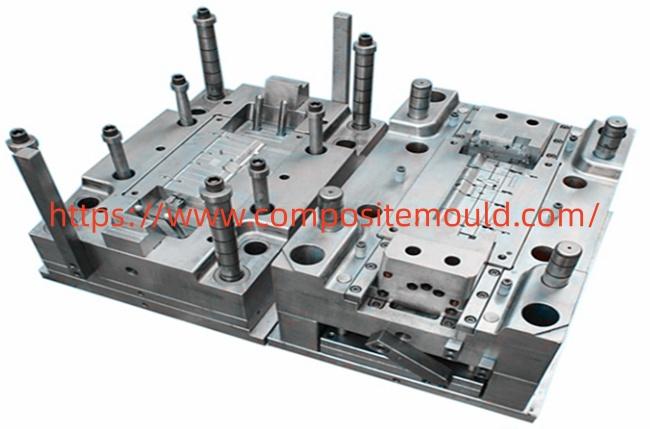
SMC Mould selection is an important decision for manufacturers developing composite components for automotive, electrical, construction, transportation, and industrial applications. Buyers should look beyond the initial quotation and consider how the tooling will accommodate the product geometry, material characteristics, production equipment, and expected output. Sharing detailed project information with a manufacturer at an early stage can help establish practical design requirements and reduce misunderstandings during development.
Start with Product Drawings and Application Requirements
A tooling project should begin with a clear understanding of the component being produced. Buyers should prepare updated 2D drawings and 3D models, including dimensions, tolerances, mounting positions, wall thickness, ribs, and other structural details.
The intended application also matters. An automotive exterior panel may have different surface and dimensional requirements from an electrical enclosure or an industrial equipment cover. Some components require particular attention to assembly interfaces, while others place greater emphasis on appearance, insulation, or structural performance.
Before requesting a quotation, buyers should identify critical areas and explain which dimensions must be controlled during production. Reference samples, photographs, and application descriptions can provide additional information for the engineering team.
Provide Accurate Material Information
Material characteristics influence how the tooling should be designed. Buyers should provide the intended compound grade, available technical data sheets, and relevant processing recommendations whenever possible.
Different formulations may have different flow behavior, shrinkage characteristics, fiber content, and curing requirements. These factors can influence cavity dimensions, charge placement, temperature arrangements, and the expected production process.
If the material has not yet been finalized, buyers should discuss the available options with the manufacturer before approving the design. Making this decision early helps the engineering team work with realistic material assumptions rather than relying on incomplete information.
Examine the Internal Structure and Heating Arrangement
The internal structure determines how the material is shaped and how the finished component is released. Buyers should ask about the cavity layout, core structure, parting line, guide system, and ejection arrangement.
Heating design also deserves careful attention. Temperature distribution across the tooling can affect curing behavior and dimensional consistency. For larger components, the arrangement of heating channels and temperature measurement points should be considered during the design stage.
Buyers can request engineering drawings or a design review to understand how these elements are arranged. This is particularly useful for parts with deep sections, complex ribs, different wall thicknesses, or large surface areas.
Ask How Air Evacuation and Material Flow Are Managed
During compression molding, the compound moves through the cavity as pressure is applied. The design needs to account for material distribution and the movement of air within the cavity.
Poorly planned venting may contribute to trapped air, incomplete filling, or surface irregularities. The manufacturer should therefore review potential air-trap locations and explain how the proposed venting arrangement addresses the component geometry.
Charge placement is another relevant topic. The initial position and shape of the material can influence how it spreads during compression. Buyers should discuss loading methods, overflow areas, and flash management with the engineering team, especially when developing large or complex parts.
Check Manufacturing Capability and Equipment Compatibility
A customized tool must match the production press where it will operate. Buyers should provide information about platen dimensions, available clamping force, opening distance, mold height, and relevant heating connections.
Manufacturing capability should also be reviewed. CNC machining, electrical discharge machining, grinding, polishing, fitting, and assembly may all contribute to the final tooling condition. Ask which operations are completed in-house and how dimensional checks are arranged during production.
For projects with specific technical requirements, communication between the buyer and engineering team is important. Confirming equipment information before manufacturing begins can help avoid installation or adjustment issues later.
Define Trial Molding and Acceptance Criteria
A completed tool should be evaluated through both dimensional inspection and actual molding trials. Buyers should agree on the acceptance requirements before the project reaches this stage.
Important inspection items may include cavity dimensions, parting-line fitting, surface finish, heating performance, vent effectiveness, and ejection operation. The molded component should also be checked for dimensional accuracy, appearance, and relevant functional requirements.
It is helpful to establish a written trial plan that identifies sample quantities, inspection methods, acceptable tolerances, and procedures for addressing design adjustments. This gives both parties a shared reference when reviewing the results.
Consider Maintenance and Future Production Needs
Purchasing decisions should account for the expected production period, not only the initial development stage. Buyers should ask about recommended cleaning, inspection intervals, wear components, and access to replacement parts.
Areas such as vents, guide components, ejectors, and parting surfaces may require regular attention depending on operating conditions. A maintenance plan can help production teams organize inspections and identify potential issues during routine use.
Expected production volume should also be discussed. A project intended for product development may require a different tooling arrangement from one planned for repeated commercial production. Sharing estimated annual output and future demand helps the manufacturer consider suitable structural and maintenance arrangements.For buyers planning a new composite component or reviewing an existing production project, direct communication with the tooling manufacturer can clarify technical requirements before investment decisions are made. compositemould works with customers on customized composite tooling projects and related manufacturing requirements. To discuss drawings, material options, project specifications, or production arrangements, visit https://www.compositemould.com/product/ and contact the team with your application details.