Restore Your Smile and Confidence with Partial Dentures: Exploring Comfortable Tooth Replacement Options
Posted by Carels Buttler
Filed in Other 10 views
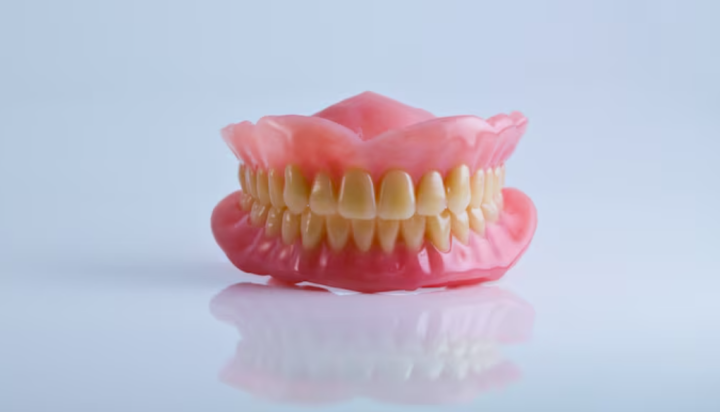
A healthy, complete smile plays an important role in everyday life. Missing teeth can affect more than appearance; they can also make eating, speaking, and maintaining proper oral function more challenging. Whether someone has lost a single tooth or several teeth, finding a suitable replacement option can help restore comfort and confidence. A partial denture is one solution designed to replace missing teeth while preserving the natural teeth that remain.
Modern dental solutions offer different approaches to tooth replacement, allowing individuals to explore options that suit their dental needs, lifestyle, and preferences. Among these options, a nesbit partial denture is designed for specific situations involving the replacement of a single missing tooth. Understanding the differences between available solutions can help individuals make informed decisions about their oral health.
Understanding Partial Dentures
A partial denture is a removable dental appliance used to replace one or more missing teeth. Unlike complete dentures, which replace an entire upper or lower set of teeth, partial dentures work alongside existing natural teeth. They are designed to fill gaps in the smile while supporting everyday activities such as chewing and speaking.
Missing teeth can create several challenges. Depending on their location, gaps may affect the way a person bites, pronounce certain words, or distributes pressure while chewing. Replacing missing teeth can help address these concerns and improve overall dental function.
A properly designed partial denture is created to fit the individual's mouth and work comfortably with the surrounding teeth. Different designs and materials are available, making it important to consider professional dental guidance when selecting an appropriate option.
What Makes a Nesbit Partial Denture Different?
A nesbit partial denture is a type of removable partial appliance commonly used to replace one missing tooth. It is designed to provide a compact tooth replacement without requiring a full denture structure. Its smaller design can make it an appealing option for individuals who need a replacement for a single missing tooth.
This type of appliance generally uses a replacement tooth supported by a framework or flexible material that helps maintain its position. Depending on the design, it may include components that rest around nearby natural teeth.
One reason people explore a nesbit partial denture is its relatively simple and compact structure. Instead of replacing several teeth at once, it focuses on filling one specific space. However, suitability depends on the patient's oral condition, bite, remaining teeth, and the location of the missing tooth.
A dental professional can evaluate whether this appliance is appropriate and explain its advantages and limitations compared with other replacement methods.
Benefits of Choosing the Right Partial Denture
Selecting a suitable partial denture can provide several practical benefits. One of the most noticeable advantages is improved smile appearance. Missing teeth can create visible gaps that make some individuals uncomfortable when smiling or speaking. A well-designed replacement can help create a more complete and natural-looking appearance.
Another important benefit is improved chewing ability. Missing teeth may make it difficult to enjoy certain foods comfortably. Replacing a missing tooth or multiple teeth can help restore a more balanced chewing experience, although adjustment may be necessary.
Partial dentures can also support speech. Certain sounds require specific contact between the tongue and teeth. When teeth are missing, pronunciation may change. A properly fitted appliance may help improve speech clarity.
Comfort is another important consideration. Modern dental materials offer different design possibilities, including lightweight and flexible options. The right choice depends on individual anatomy and professional recommendations.
Why Material and Fit Matter
The quality of a dental appliance depends on more than its appearance. Material selection, proper measurements, and accurate fabrication all contribute to comfort and functionality.
Traditional partial dentures may use acrylic or metal frameworks, while flexible designs use specialized materials that can provide a different fit and appearance. Each material has its own benefits and limitations.
A comfortable partial denture should fit securely without creating unnecessary pressure on surrounding tissues or teeth. An appliance that moves excessively, causes irritation, or creates discomfort may require professional evaluation and adjustment.
Patients should never ignore persistent soreness or attempt to modify dental appliances themselves. Proper maintenance and periodic dental checkups help ensure that the appliance continues to fit appropriately.
Caring for Your Dental Appliance
Daily care is essential for maintaining a partial denture and supporting good oral hygiene. Food particles and plaque can collect around dental appliances, making regular cleaning important.
Users should follow the cleaning instructions provided by their dental professional. Most removable appliances need to be cleaned regularly with products designed for dental appliances. Harsh household cleaners and abrasive materials should be avoided because they may damage certain surfaces.
Natural teeth also require consistent care. Brushing, flossing, and routine dental visits remain important even when a person wears a removable tooth replacement.
Depending on the material and design, the appliance may need to be removed at certain times, including during sleep. Patients should follow their dentist's specific instructions regarding wearing schedules and storage.
How FixUrSmile Supports Tooth Replacement Choices
Finding a suitable dental solution begins with understanding individual needs. FixUrSmile provides an opportunity for individuals to explore dental products and tooth replacement options while learning more about solutions for missing teeth.
People researching a partial denture should consider factors such as the number of missing teeth, the condition of surrounding teeth, comfort requirements, and long-term maintenance. These considerations help narrow down the available options.
For someone missing only one tooth, exploring a nesbit partial denture may be worthwhile. However, not every design is appropriate for every patient. A professional dental evaluation is important before choosing an appliance, especially when there are concerns involving gum health, tooth stability, or bite alignment.
FixUrSmile can be part of the process of exploring available dental solutions and understanding what options may be worth discussing with a qualified dental professional.
Factors to Consider Before Selecting a Partial Denture
Before choosing a dental appliance, individuals should consider several important factors.
Number of Missing Teeth: The number and position of missing teeth influence which replacement design may be appropriate. A single missing tooth may require a different solution than several missing teeth.
Comfort and Fit: A dental appliance should be designed around the individual's mouth. Proper measurements and professional guidance are essential for a comfortable result.
Appearance: Many people prefer tooth replacements that blend naturally with their existing teeth. Color, shape, and positioning can influence the final appearance.
Daily Maintenance: Removable appliances require regular cleaning and proper storage. Understanding these responsibilities helps users maintain their dental investment.
Professional Recommendations: A dentist can examine the remaining teeth, gums, and bite to determine which replacement options are suitable.
Restoring Confidence Through Better Dental Choices
Living with missing teeth can affect confidence in social and professional situations. Some individuals become hesitant to smile, while others experience difficulties eating comfortably. Choosing an appropriate replacement can help address these everyday concerns.
A carefully selected partial denture offers a practical way to replace missing teeth without necessarily replacing an entire dental arch. For individuals with one missing tooth, a nesbit partial denture may be an option worth discussing with a dental professional.
The best solution is always one that considers both appearance and oral health. Understanding available materials, proper fitting, and maintenance requirements can make the decision-making process easier.
Conclusion
Replacing missing teeth is an important step toward maintaining a comfortable and confident smile. A partial denture can help restore appearance and everyday dental function, while a nesbit partial denture offers a more focused option for certain individuals missing a single tooth.
With different designs and materials available, selecting the right appliance requires careful consideration of personal needs and professional dental advice. FixUrSmile provides a starting point for exploring tooth replacement solutions and learning about available options. By prioritizing proper fit, consistent care, and informed decisions, individuals can take meaningful steps toward improving their smiles and enjoying greater confidence in everyday life.