Designing Jewelry Presentation Cases for Memorable Retail Experiences
Posted by bozhong lis
Filed in Arts & Culture 50 views
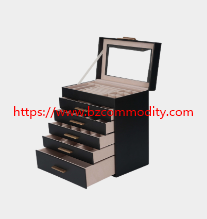
The presentation of jewelry involves more than placing an accessory inside an attractive container. For businesses developing a Bespoke Jewelry Presentation Case, the challenge is to create packaging that complements the piece, supports careful handling, and communicates the character of the brand. A thoughtfully designed case can make a product easier to display, create a more engaging unboxing experience, and provide a practical place for storage after purchase. These benefits depend on the interaction between material quality, interior arrangement, structural design, and visual details rather than decoration alone.
Material choices influence the case's appearance, durability, and tactile character. Rigid paperboard can provide a defined structure and a suitable surface for printed graphics, while fabric coverings introduce texture and softness. Faux leather may create a refined exterior, and specialty papers can offer distinctive patterns or finishes. Inside the case, velvet-like textiles, smooth fabrics, or carefully selected cushioning materials can help protect jewelry from contact with harder surfaces. Buyers should assess how these materials complement one another and whether they suit the intended product. A finish that looks attractive in a sample image may feel different in person, making physical inspection valuable during the selection process.
Selecting a presentation case begins with the jewelry itself and the context in which it will be presented. A delicate pendant may require a different support arrangement from a bracelet or a pair of earrings. A jewelry designer preparing a limited collection may prioritize individuality, while a retailer managing a broad assortment may need a consistent packaging style that accommodates different products. Gift suppliers may focus on emotional appeal, whereas jewelry showrooms may place greater importance on visibility and ease of display. Buyers should identify the primary purpose, target audience, and preferred presentation style before discussing the design with a manufacturer. These details help prevent an attractive concept from becoming impractical in use.
Interior engineering plays an important role in keeping jewelry organized and visually accessible. Inserts can be shaped to hold individual pieces in place, reducing unwanted movement during ordinary handling. Dedicated spaces help separate matching items, while carefully positioned supports can make necklaces, rings, and earrings easier to view. The insert should neither grip the jewelry too tightly nor allow it to move freely inside the case. Its surface should also be compatible with the item being presented. When developing a new design, testing the layout with representative jewelry helps reveal whether the product can be placed, removed, and returned conveniently without disturbing the arrangement.
The construction of the case influences how it opens, closes, and holds its shape. Hinged lids, removable tops, magnetic closures, and other opening arrangements create different handling experiences. The most suitable option depends on the intended use and the way customers are expected to interact with the packaging. A display-oriented case may emphasize a clear view of the contents, while a gift case may place greater emphasis on the moment of opening. Assembly quality matters because misaligned components, uneven coverings, or poorly fitted inserts can affect both appearance and usability. Manufacturers can evaluate these details during sample development and adjust the construction before moving into wider production.
Quality control should extend beyond the exterior finish. Surface consistency, edge treatment, insert placement, closure operation, and the alignment of decorative elements all contribute to the finished result. Printed artwork and logos should appear in the intended position, while coverings should remain neatly attached around corners and edges. For businesses ordering customized packaging, agreeing on sample approval procedures and acceptable workmanship helps establish a shared understanding of quality. Packaging for delivery also deserves attention because decorative surfaces may be affected by friction or pressure during handling. Appropriate packing methods help preserve the intended presentation before the case reaches the customer.
The user experience is shaped by the small details customers notice when handling a case. A lid that opens naturally, a lining that feels pleasant, and an insert that presents the jewelry clearly can make the packaging more satisfying to use. Customers may retain the case for organizing accessories at home or carrying them when traveling, so practical storage value can extend beyond the initial purchase. Easy-to-maintain surfaces and a well-organized interior can support this continued use. Businesses should also consider whether the case is convenient for retail staff to arrange, replenish, and present, especially when packaging forms part of a larger coordinated display.
Visual design helps establish the relationship between the jewelry and the brand. Muted colors and understated graphics may complement minimalist collections, while rich textures, contrasting linings, or decorative accents can suit more expressive designs. Logo placement should remain balanced with the case's shape and avoid distracting from the jewelry. A consistent visual language across packaging can help customers recognize a brand, even when different collections require different interior layouts. Customization is most effective when each design decision serves a clear purpose, whether that is improving visibility, communicating a particular style, or creating a distinctive gifting experience.
Jinhua Jindong Bozhong Daily Necessities Co., Ltd. provides a point of contact for businesses exploring packaging products and customization possibilities. Jewelry retailers, designers, and gift suppliers can discuss material preferences, interior arrangements, surface finishes, branding requirements, and intended applications when developing a presentation case. Reviewing samples and confirming design details can help align the final product with the expectations of its target market. Further information about the company's products is available at https://www.bzcommodity.com/product/.