U4GM Modern Warfare 4 Slot Cooldowns and Rebuy Cash
Posted by Hartmann Werner
Filed in Arts & Culture 75 views
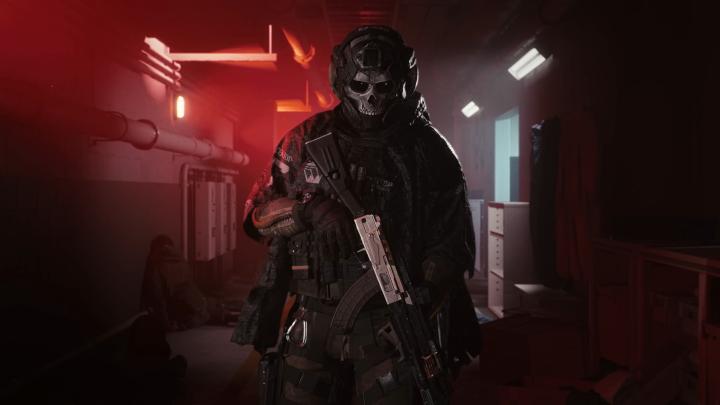
In Modern Warfare 4 DMZ, an insured slot protects a weapon's return path after a loss, while rebuy cash restores the equipment you need for another deployment. Keep those systems on separate budgets: use the insured slot for controlled gear value, and reserve enough cash for plates, a self-revive, and one dependable weapon. For a simple way to plan that cash layer, use CoD MW4 DMZ Cash before you set your loadout.
A cooldown doesn't replace the lost weapon immediately, and it can leave your preferred slot unavailable for the next run. Cash also can't reduce that timer, so spending heavily on optional items won't solve a blocked primary slot. The practical answer is to plan for two separate losses: time for insured gear and value for cash, contraband, keys, or attachments.
1 What should each insured slot carry
Give every insured slot a clear job before you choose a weapon. A primary slot can hold the build tied to a mission objective, a backup slot can carry a simple weapon for use during a cooldown, and an economy slot should stay cheap enough for low-risk deployments.
The slot's role sets its acceptable replacement cost. Mission-critical attachments can belong in the primary slot, but a backup slot doesn't need expensive optics or a large attachment package. An economy slot should be easy to restore without forcing you to spend the reserve needed for your next attempt.
◆ Primary slots can carry the gear that directly supports the current objective.
◆ Backup slots should remain usable when the primary weapon is waiting through its cooldown.
◆ Economy slots work best with low-cost builds that don't turn a failed extract into a budget reset.
Think of an insured slot as a recovery agreement, not free storage. The weapon may return after its timer, but value placed around it can remain exposed. Keeping spare contraband and costly extras in the stash limits the amount lost when a run ends badly.
2 How much rebuy cash should stay untouched
Your rebuy reserve should cover the basic combat function needed for another deployment. Price plates, a self-revive, and one reliable weapon at the buy station, then treat that combined amount as locked cash.
This reserve sits below every optional purchase. Keys, killstreaks, extra upgrades, and cosmetic choices can wait until the basic recovery budget is funded. The exact amount can change with the current buy-station prices, so check the cost in the mode rather than relying on an old figure.
◆ Tier one covers plates, a self-revive, and a basic weapon.
◆ Tier two covers extra plates, ammunition, and a tactical item for the active run.
◆ Tier three covers discretionary purchases such as keys, killstreaks, and upgrades.
A failed extract can remove the operational buffer and discretionary spending from your current run. The rebuy floor is the part that keeps the next deployment possible, so don't use it to improve a weapon that already performs its basic role.
3 How do cooldowns change your next deployment
When an insured weapon enters cooldown, switch your plan before entering the next match. Use the backup slot if it is available, or fund a temporary weapon from the rebuy reserve instead of trying to rebuild the blocked primary with expensive additions.
Multiple cooldowns call for a lower-risk cycle. Bring inexpensive weapons, limit the cash carried into the match, and choose shorter objectives or safer extraction plans while the timers run. These runs are meant to restore the reserve without exposing high-value gear again.
◆ A cooldown creates a time cost, while lost cash and contraband create a value cost.
◆ A long cooldown makes the backup slot more valuable than another permanent upgrade.
◆ If every active option is expensive, reduce the loadout before reducing the rebuy floor.
Gear creep is the common mistake here. An optic, attachment set, and spare item can raise the replacement cost of a slot until one loss exceeds the cash kept for recovery. Set a cap for each role and move anything above that cap to the stash before the deployment starts.
4 What checks should you make during a run
Use three checks to keep the two budgets apart. The first happens after the initial buy station, the second after the first contract, and the third before the extraction attempt. Each check asks a different question about survival and exposure.
1) After the first purchase, confirm that the rebuy floor still covers plates, a self-revive, and a reliable weapon.
2) After the first contract, check whether the value in each insured slot remains under its role-based cap.
3) Before extraction, keep the rebuy floor intact and account for any extraction cost that applies to the run.
If a check fails, remove optional gear before touching the reserve. A high-probability extraction can support spending from the operational buffer, while a dangerous route calls for fewer extras and more untouched cash. Count your exits and current plates before entering a hot area, because a narrow escape plan leaves less room for discretionary spending.
After death or a failed extract, record which insured slots entered cooldown, which uninsured items disappeared, and how much reserve remained. That record can reveal repeated spending on keys, oversized primary builds, or a backup slot carrying more value than its role allows. Fix one leak on the next deployment instead of changing the entire system at once.
The practical rule is simple: spend the last part of your cash reserve only when it restores combat function. If your reserve is short before the next run, you can buy Modern Warfare 4 DMZ Cash as an optional way to restore the budget before choosing extras.