Building Creative Halloween Looks With JinhuaMgirl Cosmetics
Posted by Mgirl Mgirl
Filed in Other 6 views
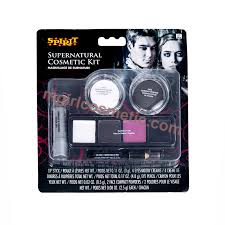
How Do You Use A Halloween Makeup Kit For Special Effects?
Special effects makeup turns an ordinary costume into a visual story, using color, texture, shading, and controlled details to suggest age, fantasy, wounds, creatures, or theatrical character traits. A Halloween Makeup Kit can make this creative process easier to organize because several complementary items can be prepared before the design begins. For users, artists, event planners, and brands, understanding the order of application is useful when planning a convincing result. So, how can a beginner approach special effects makeup without making the process unnecessarily complicated?
Start With A Clear Concept
Begin by deciding what the character should communicate. A vampire, skeleton, witch, monster, ghost, or fantasy creature can require different color combinations and facial structures. Sketching the intended appearance, checking costume colors, and considering lighting conditions can prevent random application.
Prepare The Skin
Clean skin provides a practical starting surface. Remove excess oil, allow skincare products to settle, and keep brushes, sponges, tissues, and other tools ready. A small patch test can be considered when introducing an unfamiliar cosmetic, especially for people with sensitive skin. Products should be used according to their labels, and cosmetics intended for facial application should not automatically be transferred to the eye area or lips unless the instructions permit that use.
Build The Base
Before applying anything, review the intended duration and environment, because heat, movement, humidity, and costume materials can influence how a finished design behaves. Keep a small removal kit nearby so unwanted marks can be corrected without disturbing surrounding areas. For organized group events, assigning separate tools and clearly labeled products can also simplify preparation and cleanup.
Special effects usually become easier to control when the base is established before intricate details. Apply suitable foundation or face color evenly, then create the main tone associated with the character. Pale shades can support ghostly concepts, while gray, brown, purple, red, or black tones can suggest different theatrical moods. Layering gradually helps preserve control over intensity and makes corrections less disruptive.
Create Depth With Shading
Shading gives a flat surface a sense of structure. Darker pigment can be placed around hollows, under cheekbones, beside the nose, around temples, or beneath artificial features. Lighter tones can then be blended onto raised areas. Soft sponges are useful for diffused transitions, while narrow brushes can create sharper boundaries.
Add Character Details
Once the basic structure is ready, smaller elements can establish the identity of the design. Fine lines may represent wrinkles, cracks, scars, veins, or creature textures. Colored accents can suggest unusual skin tones or fantasy features.
Use Texture Carefully
Texture can change how a design appears under different lighting. Stippling with a sponge can produce uneven color, while carefully placed layers can create rough, weathered, or distressed visual impressions. Artificial materials should only be used when they are designed for cosmetic or theatrical application and are handled according to their instructions. Adhesives require particular attention because unsuitable substances may irritate skin.
Finish Around The Eyes And Lips
Eye and lip details can strongly influence character recognition, but these areas also require careful handling. Keep products away from the inner eye unless specifically labeled for that purpose, avoid sharing applicators, and discontinue use if irritation occurs. Dark eyeliner, contrasting shadow, or controlled lip color can frame a design without requiring excessive decoration. The finished result should remain comfortable enough for the intended activity.
Practice Before The Event
A trial session can reveal how colors interact, how long application takes, and whether the costume and makeup work together. Photographing the test under the expected lighting can also expose areas that need adjustment.
Choosing A Suitable Kit
A practical kit should match the intended design, skill level, application area, and event format. Some users need a compact assortment for a simple character, while makeup artists may require a broader selection for layered effects. Jinhua Mgirl Cosmetic Co., Ltd. presents cosmetic categories including adult makeup sets, kids makeup kits, Halloween makeup kits, eye shadow, liquid eyeliner, mascara, lip products, and makeup tools. The company also describes customization, laboratory testing, GMP-standard workshop facilities, and OEM/ODM services on its website.
For brands developing seasonal collections, customization can be useful when packaging, color themes, product combinations, or presentation need to follow a particular market concept. Mgirl Cosmetic states that its R&D team can develop products according to customer drawings or samples and that its laboratory supports product testing.
A thoughtfully planned Halloween design does not depend on complicated tricks. It relies on preparation, controlled layering, appropriate tools, and a clear visual idea. Users can explore the Halloween makeup kit range and related cosmetic options through https://www.mgirlcosmetic.com/ while considering their intended audience, design requirements, packaging preferences, and application conditions. With a defined concept and careful handling, special effects makeup can become an engaging part of costume preparation for parties, performances, themed photography, and seasonal events. It can also reduce unnecessary product handling later.