Notifications

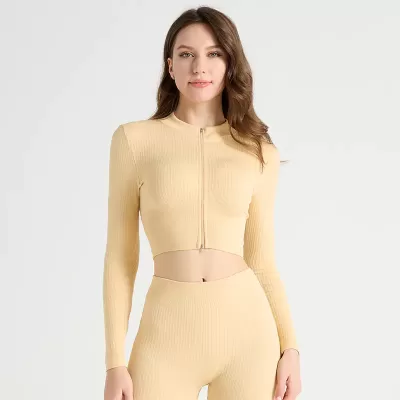
The practice of yoga encompasses an extensive range of motions that challenge clothing in ways everyday garments rarely encounter. Yongxing Yoga Outfits for Women place mobility at the center of their design philosophy, recognizing that unrestricted movement forms the foundation of effective practice. Understanding why this emphasis matters reveals the thoughtful engineering required to create garments that support rather than hinder the diverse physical demands of various yoga styles.
Range of motion requirements in yoga far exceed those of many other activities. Deep hip openers demand fabric that stretches across pelvis and thighs without binding. Backbends require materials that yield across the torso and shoulders. Forward folds test whether waistbands stay comfortably in place or dig painfully into abdomens. Twists reveal whether garments rotate with the body or create resistance that limits spinal movement. Each pose category presents unique challenges that mobility-focused design must address.
Four-way stretch technology enables fabrics to expand both horizontally and vertically, accommodating movements in multiple directions simultaneously. This multidirectional elasticity proves essential when bodies transition between poses that pull fabric in varying ways. Two-way stretch materials that only expand in single directions create limitations that become apparent during complex sequences. The difference manifests as the distinction between fabric that moves harmoniously with the body versus material that fights against natural motion.
Recovery properties determine whether garments maintain their shape after repeated stretching. Fabrics that stretch adequately but fail to return to original dimensions begin sagging and bagging, losing both aesthetic appeal and functional support. Quality elastic fibers blended into fabric structures provide the memory that enables garments to snap back after being pulled in various directions. This resilience ensures consistent fit and performance through numerous practice sessions.
Seam placement significantly impacts mobility. Traditional side seams can create resistance during wide-legged poses or lateral stretches. Inseams positioned along inner thighs may bind during hip openers or squatting positions. Thoughtful pattern engineering places seams where they cause minimal interference with common movement patterns. Seamless construction eliminates this concern entirely, creating garments that never restrict regardless of body position.
Waistband engineering addresses the challenge of maintaining position without constriction. Bands must grip securely enough to prevent sliding during inversions where gravity pulls fabric downward. Simultaneously, they should avoid pressure that restricts breathing or creates discomfort during seated poses and forward folds. Wide waistbands with graduated compression achieve this balance, staying anchored without digging painfully into skin.
Gusset construction in bottoms prevents the splitting and restriction that can occur during deep lunges or wide stances. This diamond-shaped fabric insert at the crotch seam allows independent leg movement without pulling the garment in uncomfortable directions. The presence or absence of properly designed gussets distinguishes pants genuinely engineered for yoga from those merely styled to appear athletic.
Fabric weight considerations balance coverage with flexibility. Heavier materials may provide welcome opacity but can restrict movement if too substantial. Lighter fabrics offer enhanced mobility but may compromise coverage during certain positions. Identifying the appropriate weight involves considering practice intensity, studio temperature, and personal preferences regarding coverage and support.
Strap design on tops influences upper body freedom. Straps that are too narrow may slide during downward dogs or arm balances, requiring constant adjustment. Excessively wide straps can limit shoulder mobility during poses involving arms overhead. Strategic width and placement keep straps anchored while permitting full range shoulder movement.
Length proportions affect mobility in subtle ways. Tops that ride up during upward stretches create distraction and coverage concerns. Pants that are too long bunch around ankles during standing poses, potentially creating tripping hazards. Appropriate lengths maintain position through various movements, allowing focus to remain on practice rather than clothing management.
The emphasis on mobility in Yoga Outfits for Women reflects understanding that physical practice involves the entire body moving through space in complex, varied patterns. Garments must accommodate this movement spectrum without creating awareness of their presence. When clothing functions properly, practitioners forget they are wearing it, experiencing freedom that allows complete engagement with practice.
Body diversity considerations recognize that mobility needs vary across different physiques. What works for one body type may restrict another. Offering varied silhouettes, rises, and lengths acknowledges this diversity, enabling practitioners to find options that suit their specific proportions and movement patterns.
Testing garments through actual practice reveals their true mobility characteristics. Walking around a store or performing basic movements cannot replicate the demands of full practice sequences. Paying attention to where and how garments restrict or support during various poses guides selection toward truly functional options.
The commitment to mobility-focused design in Yoga Outfits for Women represents recognition that effective practice wear must serve the body's needs rather than constraining them. This design priority ensures garments enhance rather than impede the practice they are meant to support. Experience clothing engineered specifically for the movement demands of your practice at https://www.yogasuitfactory.com/product/ .