Why Choose an SPC Flooring Manufacturer for Projects?
Posted by Pvcfloor tile
Filed in Shopping 2 views
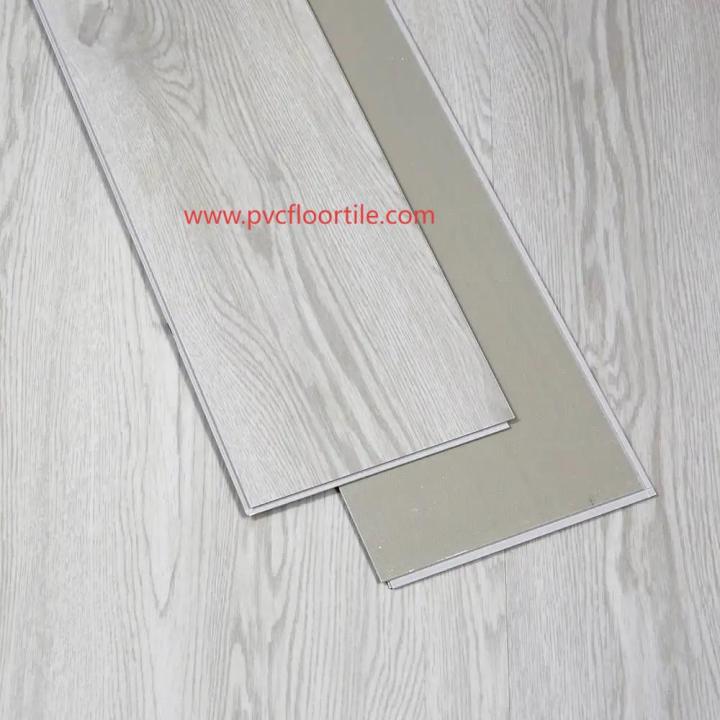
SPC Flooring Manufacturer selection should start with the requirements of the project rather than a quotation alone. Buyers should review material options, product structure, dimensions, surface design, customization capabilities, sample procedures, production planning, inspection arrangements, packaging, and delivery communication. A supplier may offer several configurations, but the practical question is whether those options can be matched with the buyer's intended application, quantity, market requirements, and project schedule.
What Product Information Should Buyers Request?
A clear product specification gives both sides a common reference. Buyers can request information about overall thickness, dimensions, core structure, wear layer, surface treatment, edge profile, locking system, backing, colors, patterns, and available formats.
It is helpful to organize these details in a written specification rather than relying only on product images. Images can show general appearance, while technical information provides measurable details for purchasing and project planning.
Buyers should also confirm whether the listed dimensions are nominal or actual measurements and whether applicable tolerances are provided.
How Should Buyers Approach Customization?
Customization can involve several areas, including dimensions, colors, patterns, surface finishes, packaging, labels, and product identification.
Before requesting customized production, buyers should provide clear references such as drawings, artwork, color samples, technical files, or previous samples. This gives the supplier a clearer basis for checking whether the requested design can be produced.
Buyers should also ask about minimum order quantities, sample charges, development time, and approval procedures. These details can affect both budget planning and project scheduling.
Which Sample Details Matter?
Samples are useful for comparing the proposed product with project requirements. Buyers should examine appearance, dimensions, surface texture, edge processing, locking accuracy, and overall construction.
For larger projects, it can be useful to approve a reference sample before production. The approved sample can then serve as a common reference for later discussions about production results.
Buyers should also clarify whether the sample represents standard production or a customized version. This distinction can prevent misunderstandings when the final order is prepared.
What Should Buyers Ask About Production Planning?
Production planning can influence delivery schedules, especially when an order includes several colors, patterns, sizes, or customized packaging requirements.
Buyers can ask about estimated production time, order sequence, sample approval deadlines, packaging preparation, and expected shipment timing.
For projects with fixed installation dates, it is useful to communicate the required arrival date early. This gives the supplier more information when reviewing production and shipment arrangements.
How Can Buyers Review Quality Procedures?
Quality checks should correspond with the agreed specification. Buyers can ask which product characteristics are inspected during production and before shipment.
Relevant checks may include dimensions, thickness, appearance, color consistency, surface condition, edge processing, locking profile, and packaging.
For larger orders, buyers may also want to clarify sampling procedures and acceptance criteria. Written requirements provide a clearer basis for both parties when reviewing finished products.
What Packaging Information Should Be Confirmed?
Packaging can affect storage, handling, transportation, and warehouse management. Buyers should confirm carton dimensions, quantity per carton, product labels, pallet arrangements, and loading requirements.
For private-label projects, artwork and labeling should be approved before mass production. Buyers can also confirm whether carton markings and product codes need to follow specific market requirements.
If different product designs are included in one shipment, clear identification can make receiving and warehouse organization easier.
Why Does Technical Communication Matter?
Good technical communication can reduce confusion when specifications change during an order. Buyers should keep important requirements in written form, including dimensions, colors, quantities, packaging, inspection requirements, and delivery arrangements.
It is also useful to identify one clear contact for technical questions. This can make communication between purchasing, engineering, production, and inspection teams more organized.
When a project involves several revisions, keeping records of approved versions can help both sides follow the latest requirements.
What Should Buyers Review Before Payment and Shipment?
Before shipment, buyers can review the final quantity, product specifications, packaging details, labels, inspection records, and shipping documents.
For customized orders, buyers should compare the final production information with the approved sample and written specification.
This stage is also a suitable time to confirm loading information, shipping marks, carton quantities, and required documentation. Clear records can make receiving and future replenishment easier.
How Can Buyers Start a Clear Inquiry?
A useful inquiry can include the intended application, approximate project area, preferred dimensions, product structure, surface design, color requirements, quantity, packaging preferences, destination market, inspection requirements, and expected delivery schedule.For buyers reviewing different suppliers, pvcfloortile can provide product information and discuss configuration requirements according to the project. Buyers can also visit https://www.pvcfloortile.com/ to review available product categories before preparing a detailed inquiry.