Notifications

In the evolving landscape of large-format printing and advertising, materials that combine visual clarity, durability, and ease of processing are essential. PVC Flex Bannerhas become a widely utilized solution in this space, offering a balanced combination of mechanical strength and print adaptability. Supplied by Shanghai MSD International Trade Co., Ltd., this material is extensively applied in both indoor and outdoor display systems, including billboards, lightboxes, and promotional signage where consistent performance is required.
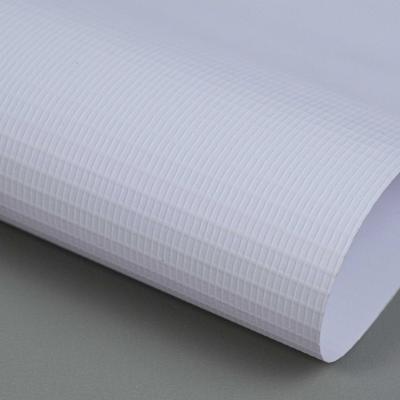
The structural design of PVC flex banner materials is based on a composite system that integrates a woven polyester fabric with a PVC coating. The polyester base fabric provides high tensile strength and dimensional stability, allowing the banner to withstand tension during installation and exposure to environmental forces such as wind. The PVC layer, applied through coating or lamination, forms a smooth surface suitable for printing while also offering resistance to water, UV radiation, and dirt. This layered construction ensures that the banner remains stable, flexible, and durable throughout its service life.
Manufacturing processes for PVC flex banners involve advanced coating and lamination technologies. Knife-over-roll coating is commonly used to apply the PVC layer evenly across the fabric substrate, ensuring uniform thickness and strong adhesion. Alternatively, laminated structures are created by bonding pre-formed PVC films to the fabric using heat and pressure. Surface finishing processes such as embossing, matte coating, or gloss treatment enhance visual effects and improve ink adhesion. Controlled curing and cooling processes further stabilize the material, ensuring consistent quality and performance across production batches.
Material formulation plays a key role in determining the functional properties of PVC flex banners. Plasticizers are incorporated to increase flexibility, allowing the material to be rolled and folded without cracking. UV stabilizers help maintain color stability and prevent degradation when exposed to sunlight, which is particularly important for outdoor advertising applications. Flame retardant additives may also be included to meet safety requirements in public spaces. These formulations ensure that the material can adapt to different environmental conditions while maintaining its mechanical and visual performance.
Performance testing is essential to validate the quality of PVC flex banners. Tensile strength and tear resistance tests evaluate the material’s ability to withstand mechanical stress during installation and use. Adhesion testing ensures the PVC coating remains firmly bonded to the fabric base. Weathering tests, including UV exposure and temperature cycling, assess the material’s resistance to environmental factors. Additional tests for ink adhesion and print quality confirm compatibility with various printing methods, including solvent, eco-solvent, and UV printing technologies.
The application range of PVC flex banners is extensive due to their adaptability and durability. In outdoor advertising, they are used for large billboards, building wraps, and street signage. Indoor applications include retail displays, exhibition booths, and promotional backdrops. Lightbox applications benefit from specialized translucent versions of the material, which provide uniform light diffusion and vibrant image presentation. The material’s flexibility and strength also make it suitable for temporary installations and large-scale event graphics.
Processing and installation methods are designed to maximize efficiency and reliability. PVC flex banners can be cut into various shapes and sizes using standard cutting equipment. Seaming techniques such as heat welding or high-frequency welding are used to join sections and create large-format displays. Grommets and reinforcement edges are added to facilitate installation using frames, ropes, or support structures. Proper storage and handling are important to prevent creasing, contamination, or surface damage that could affect print quality.
Sustainability considerations are increasingly influencing the development of PVC flex banner materials. Manufacturers are working to reduce environmental impact by lowering VOC emissions and improving recyclability. The durability and reusability of the material help reduce waste, while advancements in coating technology extend product lifespan. These improvements support more sustainable practices in the advertising and display industry.
With its combination of strength, flexibility, and print compatibility, PVC Flex Banner remains a reliable choice for a wide range of visual communication applications. Backed by Shanghai MSD International Trade Co., Ltd., this material continues to support high-quality display solutions across industries. For further product details and application options, please visit https://www.shanghaimsd.com/product .