Notifications

Double Wall Fabric is an innovative material that has transformed multiple industries by offering unmatched durability, thermal insulation, and flexibility. With its unique construction consisting of two layers of fabric with an air gap in between, double wall fabric excels in various applications, from outdoor apparel to industrial machinery covers. This material has gained significant attention in modern manufacturing due to its exceptional versatility and performance. In this article, we will explore the latest innovations in double wall fabric, focusing on the advances in its applications, performance characteristics, and processing techniques. We will also examine the growing demand for this material in industrial, commercial, and consumer markets, with insights from Shanghai Misda International Trading Co. on their role in providing high-quality double wall fabric solutions.
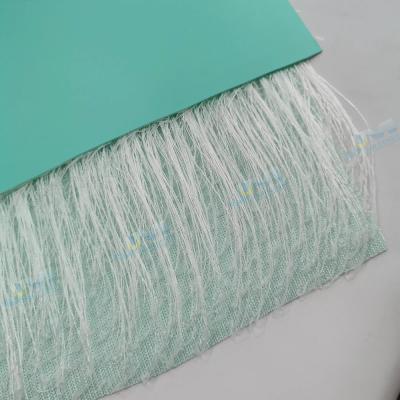
Double wall fabric stands out for its unique structural design, which combines multiple layers to achieve superior insulation, strength, and durability. The fabric’s dual-layer construction provides a range of functional advantages:
Thermal Insulation: The primary feature of double wall fabric is its thermal insulating properties. The air trapped between the two layers serves as a natural insulator, helping to maintain temperature control. This makes double wall fabric particularly beneficial in applications such as outdoor clothing, tents, and building insulation, where maintaining a consistent temperature is crucial.
High Durability: The outer layer of double wall fabric is typically made from high-strength fibers like polyester, nylon, or PVC, providing the material with excellent resistance to abrasion, UV rays, and harsh environmental conditions. The inner layer, often made from a softer material like cotton or fleece, provides comfort while maintaining the overall strength of the fabric. This durability makes double wall fabric ideal for applications exposed to rough handling or outdoor elements.
Moisture Resistance: Many double wall fabrics are treated with specialized coatings to improve their water resistance. This makes the fabric highly effective at repelling moisture, ensuring that products made from it remain dry and functional even in rainy or humid environments. This feature is especially useful in outdoor gear, automotive covers, and industrial applications where moisture exposure is common.
Breathability: Despite its excellent insulation properties, double wall fabric is designed to remain breathable. This means it allows moisture and air to escape, ensuring that it does not become overly warm or uncomfortable, especially in clothing or outdoor gear. Breathability is particularly important in applications where comfort and moisture management are essential, such as activewear, medical textiles, and bedding.
Flexibility and Comfort: Double wall fabric offers a high degree of flexibility, allowing it to conform to different shapes and sizes without sacrificing strength or insulation properties. The material is lightweight, which makes it ideal for products that require both performance and comfort, such as apparel and seating covers.
The advancements in the production of double wall fabric have significantly improved its performance characteristics and broadened its range of applications. Key innovations in the manufacturing process include:
Advanced Weaving Techniques: The weaving process for double wall fabric has become more sophisticated, allowing manufacturers to create fabrics with more precise layers and gaps. New weaving technologies enable the customization of the fabric’s structure, adjusting the air gap between the layers to achieve desired thermal performance. Some techniques even allow for varying densities in the layers, offering increased strength and insulation in specific areas.
Lamination and Coating: Double wall fabric is often laminated with additional layers to improve its resistance to weather and environmental factors. Coatings such as polyurethane or silicone are applied to the outer layer to enhance its water and UV resistance. Lamination also adds durability, allowing the fabric to withstand high-stress applications in industries like construction and transportation.
Knitting for Added Flexibility: In some cases, double wall fabric is produced through knitting rather than weaving, offering improved stretch and flexibility. Knitted double wall fabric is especially suitable for applications where the material needs to conform to complex shapes or provide enhanced comfort, such as activewear and medical textiles.
Sustainable Production: The demand for sustainable materials has driven innovation in the production of double wall fabric. Manufacturers are increasingly turning to eco-friendly materials and processes to create more sustainable options without compromising the fabric's performance. Biodegradable fibers, recycled materials, and water-based coatings are some of the environmentally friendly solutions being explored in the production of double wall fabric.
Double wall fabric has found a variety of applications across several industries, thanks to its combination of thermal insulation, strength, and versatility. As innovations in processing continue to advance, its range of uses is only expanding.
Outdoor Apparel and Gear: The outdoor industry has embraced double wall fabric for use in jackets, tents, backpacks, sleeping bags, and other gear. Its insulation properties help maintain warmth in cold conditions, while its breathability ensures comfort during physical activity. Double wall fabric’s moisture-wicking and water-resistant qualities make it ideal for wet environments, ensuring that outdoor enthusiasts stay dry and comfortable in harsh weather.
Automotive Industry: In the automotive sector, double wall fabric is widely used for seat covers, upholstery, protective coverings, and thermal insulation. The material’s durability and ability to withstand UV exposure make it perfect for automotive applications that require long-lasting performance. Double wall fabric is also used to reduce noise and enhance thermal comfort inside vehicles, making it an essential component in modern automotive interiors.
Medical Textiles: Double wall fabric has found growing use in medical textiles, such as surgical gowns, patient bedding, wound dressings, and medical wraps. Its breathability, comfort, and moisture-wicking properties are particularly important in healthcare environments where hygiene, patient comfort, and easy maintenance are top priorities. Additionally, its antimicrobial coatings are often applied to prevent the growth of bacteria and fungi.
Industrial Applications: In industrial settings, double wall fabric is used for protective tarps, covers, and liners. Its ability to resist abrasion, UV rays, and moisture makes it ideal for industries such as construction, agriculture, and manufacturing. Double wall fabric is often used to cover equipment, machinery, and materials, protecting them from the elements and improving longevity.
Home Furnishings and Upholstery: Double wall fabric’s durability and aesthetic appeal make it an excellent choice for home furnishings, such as upholstery, cushions, and curtains. Its versatility allows for both functional and decorative uses, providing comfort while withstanding the wear and tear of everyday use.
To ensure that double wall fabric meets the necessary quality standards, manufacturers perform various tests to evaluate its performance characteristics:
Tensile Strength Test: This test measures the fabric’s resistance to breaking under tension, ensuring that it can withstand mechanical stress without tearing or losing its shape.
Water Resistance Test: This test evaluates the fabric's ability to repel water, ensuring it performs well in applications exposed to moisture, such as outdoor gear and industrial covers.
Abrasion Resistance Test: This test assesses the fabric’s durability when subjected to repeated friction, which is crucial for determining its suitability for high-wear applications like automotive interiors and protective covers.
UV Resistance Test: This test evaluates how well the fabric can withstand prolonged exposure to UV rays, ensuring that it does not degrade when exposed to sunlight, making it ideal for outdoor and automotive uses.
Breathability Test: This test measures how effectively the fabric allows moisture and air to pass through, ensuring that it keeps users comfortable by preventing heat buildup and maintaining airflow.
Double wall fabric is an incredibly versatile material that combines insulation, durability, water resistance, and breathability. The ongoing innovations in its production and processing have significantly expanded its range of applications, from outdoor gear and automotive interiors to medical textiles and industrial covers. As demand continues to grow for high-performance materials, double wall fabric is poised to become even more essential across a wide range of industries. Shanghai Misda International Trading Co. is at the forefront of providing top-quality double wall fabric solutions, ensuring that industries can meet their evolving needs with confidence. To learn more about the advantages and applications of double wall fabric, visit https://www.shanghaimsd.com/news/why-is-double-wall-fabric-an-ideal-choice-for-multiple-applications.html .