Can Heat Affect Excavator Starter Performance?
Posted by kstmotor kstmotor
Filed in Other 1 view
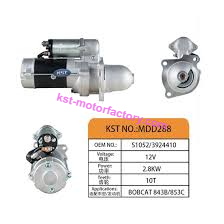
Construction machinery rarely operates in a completely stable environment. An excavator may begin work on a cold morning, continue through a warm afternoon, or remain parked in an exposed area where the surrounding temperature changes throughout the day. These conditions can influence the starting process because the engine, battery, electrical connections, lubricated components, and starter motor all respond to their surroundings. An Excavator Starter has to provide the initial mechanical force needed to turn the engine, while the surrounding temperature can change the resistance and working condition of several related components. KST-Motorfactory focuses on starter motors and generators for construction machinery and heavy-duty vehicles, making temperature an important subject when considering how starting equipment behaves in actual working environments. So, how does temperature affect an excavator starter during daily operation?
Cold weather can make engine starting less straightforward because the engine itself may require greater effort to begin turning. Lubricating materials can become less fluid at lower temperatures, while internal mechanical resistance may increase during the initial cranking stage. The starter therefore has to work against conditions that may be different from those present during a warm start. The battery can also respond differently in cold surroundings, which means the available electrical energy reaching the starting circuit may not remain the same as it would under moderate conditions.
The electrical side of the system deserves attention as well. A starter depends on a suitable electrical path between the battery, cables, terminals, control components, and motor. Cold conditions can make an existing weakness easier to notice. A connection that appears acceptable during normal weather may show signs of poor contact when the starting load becomes demanding. Corrosion, loose terminals, damaged cables, and poor grounding can all affect the amount of electrical energy available to the starter.
Cold storage conditions can introduce another issue. Construction equipment that remains unused outdoors or in a damp location may collect moisture around exposed areas and electrical connections. When the temperature changes, condensation can appear on surfaces, creating an environment that deserves inspection before the machine returns to regular operation. Keeping connection areas clean, dry, and securely fastened is therefore part of sensible starting-system care.
Hot weather creates a different set of conditions. An excavator engine compartment can become warm during operation, and nearby components may remain exposed to elevated temperatures even after the engine has stopped. A starter positioned close to a heat source may experience a warmer environment than the surrounding outdoor air suggests. This is especially relevant when the machine is working for long periods or when repeated starting attempts occur within a short interval.
Electrical components are sensitive to their working environment. Heat can influence insulation, contact surfaces, internal electrical parts, and the condition of surrounding materials. Continuous exposure to elevated temperatures can also contribute to gradual material ageing. For this reason, temperature should be considered together with installation position, ventilation, operating frequency, and maintenance practices rather than viewed as an isolated specification.
Repeated starting can intensify the effect of heat. A starter normally operates for a limited period while bringing the engine up to starting speed. If the engine does not start and the operator immediately tries again several times, the motor receives additional electrical and mechanical stress before sufficient cooling can take place. The surrounding engine compartment may already be warm, so operating heat and environmental heat can occur at the same time.
This situation can also make troubleshooting less effective. When an engine refuses to start, repeatedly activating the starter does not necessarily address the reason for the problem. A weak battery, poor connection, unsuitable fuel conditions, engine resistance, or another mechanical issue can all contribute to difficult starting. Examining the starting system before continuing with repeated cranking can help prevent unnecessary stress on the motor.
Lubrication is another area influenced by temperature. Moving components require suitable lubrication conditions so that friction remains within an expected range. Low temperatures can cause some lubricating materials to become thicker, while high temperatures can change their flow characteristics. The appropriate maintenance material should always follow the equipment requirements rather than being selected simply according to availability.
The physical installation of the starter can also affect temperature exposure. Engine compartment layout determines how much heat reaches nearby components and how easily surrounding air can move around them. A position close to a hot surface may create a different operating environment from a location with greater airflow. When replacing a starter, mounting position, surrounding clearance, cable routing, and access for inspection are worth checking alongside the basic product specifications.
Construction machinery can face rapid environmental changes as well. An excavator may move between an outdoor worksite, a sheltered maintenance area, and a storage location within the same operating cycle. Such movement exposes electrical and mechanical components to changing temperatures and humidity. Materials expand and contract as temperatures shift, while moisture can affect exposed metal surfaces and connections. Regular inspection can help identify changes before they become starting difficulties.
The machine's working pattern should also be included when selecting starting equipment. An excavator used occasionally may have a different starting profile from equipment that begins and stops repeatedly throughout a working day. Frequent starting creates repeated electrical and mechanical loading, while extended idle periods can introduce separate concerns involving battery condition and environmental exposure. A starter should therefore be considered within the complete operating pattern of the machine.
Correct matching is another practical consideration. Construction machinery uses different engine designs, electrical systems, mounting arrangements, and starter configurations. KST's construction machinery starter range covers applications for equipment associated with brands such as Komatsu, Hitachi, Caterpillar, Hyundai, Shantui, Sumitomo, Isuzu, and other construction machinery manufacturers. The company also states that its technical team can develop products according to customer drawings or samples and assist with model selection according to equipment working conditions.
For buyers comparing starter motors, temperature should therefore be considered alongside voltage, engine requirements, installation dimensions, electrical connections, starting frequency, and the actual environment where the excavator operates. A useful discussion with a supplier can begin with the machine model, existing starter information, working conditions, and any starting symptoms that have appeared in the field. Zhejiang KST Automotive Electric Motor Co., Ltd. specializes in starter motors and generators for construction machinery and heavy-duty vehicles, and manufacturers can review https://www.kst-motorfactory.com/product when looking for suitable starting-system products, technical information, or a starter solution matched to a particular excavator application.