ZhanBo Cheap Diaphragm Pump Built for Corrosive Fluids
Posted by Zhanbo Zhanbo
Filed in Other 1 view
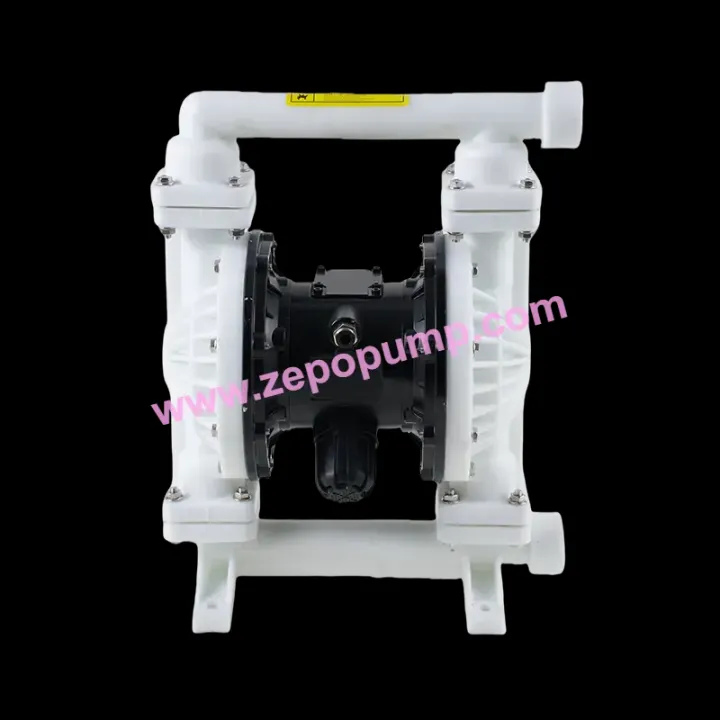
Can a Cheap Diaphragm Pump Handle Chemical Liquids
Chemical transfer punishes equipment in ways water never does. An acid eats through the wrong housing. A solvent softens a seal until it drips. A caustic liquid finds every weak point in a pump and works on it shift after shift. Buyers looking for a Cheap Diaphragm Pump often assume the low price means limited chemistry, that budget equipment belongs on water duty only. zepopump builds pumps that prove otherwise, using materials chosen for the liquid rather than the price tag. So can a Cheap Diaphragm Pump really move aggressive chemicals safely?
The answer depends on the wetted parts. Every surface that touches the liquid must resist that liquid. Pump bodies come in several materials, and each one handles a different family of chemicals. Stainless steel resists corrosion, wear, and contamination, which suits food, medicine, cosmetics, and general corrosive liquids. Polypropylene handles a different range, standing up to coatings, adhesives, solvents, and many industrial chemicals. The choice is not about cost tiers. It is about matching the material to the chemistry in front of you.
Polypropylene earns its place in chemical service for a specific reason. The material is largely inert, so acids attack it far less than they attack metal. Hydrochloric acid, sulfuric acid, and similar aggressive liquids move through polypropylene without corroding the housing. That resistance extends the pump's working life and cuts maintenance calls. A metal pump in the same service might need replacement parts within months. A polypropylene body keeps working because the chemistry cannot get a grip on it.
Diaphragms and valves decide whether the whole assembly holds. A chemically resistant body means little if the diaphragm inside swells or cracks. Manufacturers pair polypropylene housings with elastomers selected for the same chemical family. The diaphragm must flex millions of times without losing shape, and it must resist the liquid on both sides. Valves face the same demand. When every wetted component is chosen for compatibility, the pump handles aggressive fluids as a complete system rather than a collection of parts.
Air operation adds a safety dimension that matters in chemical plants. A pneumatic diaphragm pump runs on compressed air, so it carries no electrical components into a hazardous area. No motor, no wiring, no spark risk. That design suits paint manufacturing, solvent handling, and other environments where electrical equipment creates danger. The pump also tolerates dry running, which means a brief lapse in liquid supply does not destroy it. That tolerance saves repair costs in processes where supply fluctuates.
Not every chemical suits every material, and honest suppliers say so. Polypropylene handles many acids and solvents well but cannot serve halogenated liquids or liquid alkalis. Stainless steel covers a different range and brings hygiene advantages that matter in food and pharmaceutical work. Buyers who describe the actual liquid, its concentration, and its temperature receive a recommendation that fits. Buyers who ask only for the lowest price may receive a pump that fails in weeks. The conversation about chemistry protects both sides.
For plants moving acids or solvents on a budget, the polypropylene diaphragm pump detailed at https://www.zepopump.com/ shows how an affordable unit can still be built for corrosive service. Zhejiang Zhanbo Diaphragm Pump Manufacturing has focused on this field since the late 1980s, holds high-tech enterprise certification and EU CE marking, and ships to markets across Europe, the Americas, Southeast Asia, and Africa. The company also provides pre-sales technical support, helping buyers select a model based on the liquid, the flow rate, and the working conditions rather than guesswork.
If a Cheap Diaphragm Pump on your line keeps failing on the same chemical, or you are setting up a new transfer point and want to get the material right the first time, ZhanBo can walk through it with you. Tell the team what liquid you are moving, how concentrated it is, and how warm it runs, and they will point you toward a body material, diaphragm compound, and valve setup that suits that job. They also handle customization and full-line design when a plant needs a complete transfer arrangement rather than a single unit. Reaching out early usually costs nothing and settles questions that would otherwise show up as downtime later. When the next batch of chemicals has to move, who will you ask about the pump that carries it?